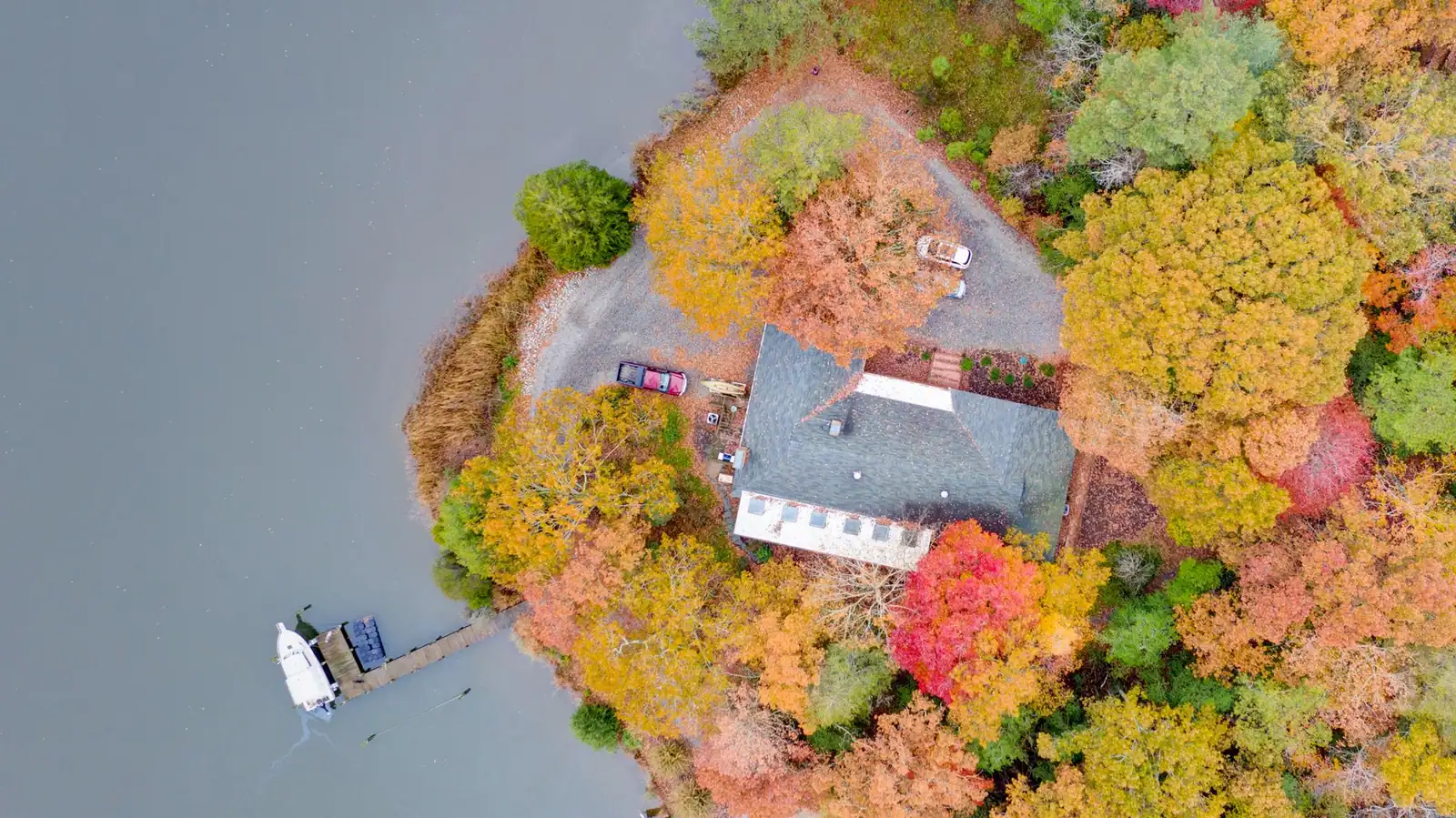
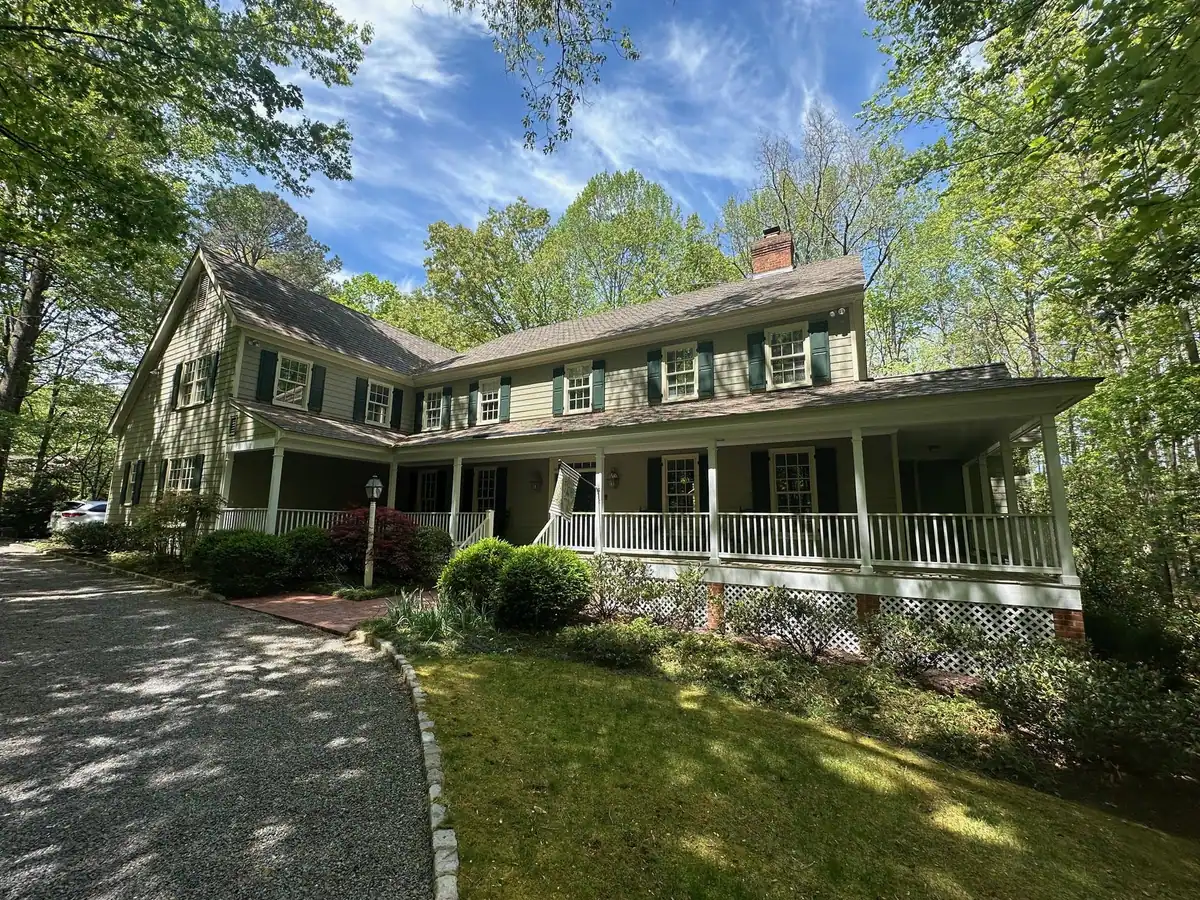
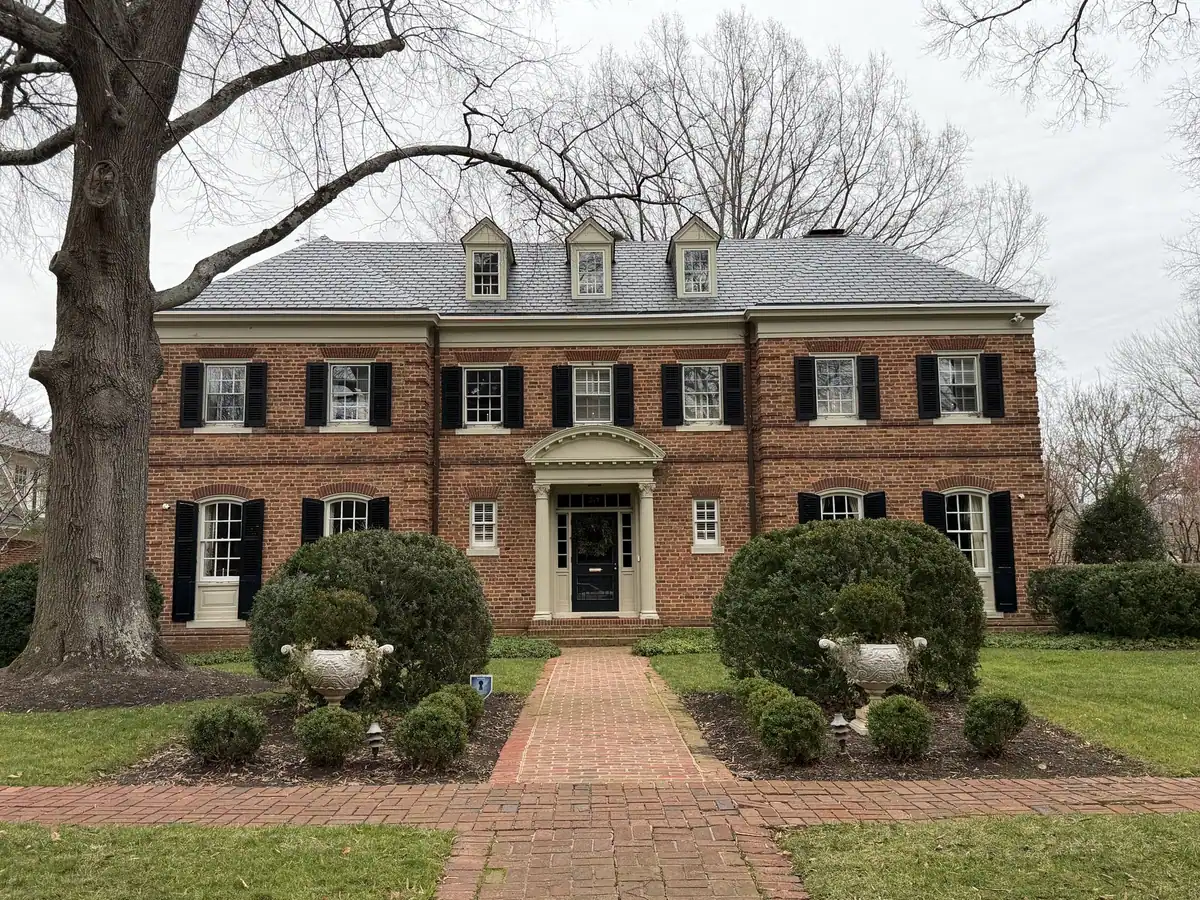
Compare Lake Anna Homes With a Property-Level Plan
A useful Lake Anna search starts with the buyer’s intended use, budget, financing, maintenance tolerance, and access needs. Those requirements should shape a focused property list before finishes or marketing labels take over the comparison. Use the existing OwnRVA home-search path for property discovery, then verify the exact evidence behind every candidate before relying on it.
For each home, record the parcel and jurisdiction, property type, condition, documented water or road access, utility systems, recurring obligations, insurance evidence, financing terms, and transaction deadlines. This keeps the commercial search practical without treating listing remarks, a map pin, a view, or proximity to the lake as proof of legal rights or current property facts.
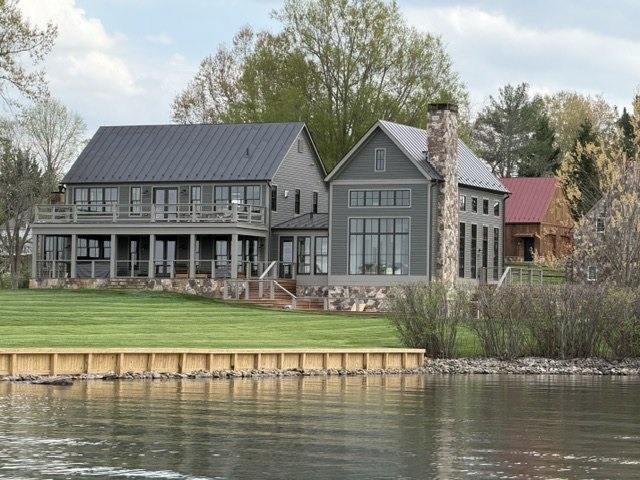
Waterfront and Access Are Documented Rights
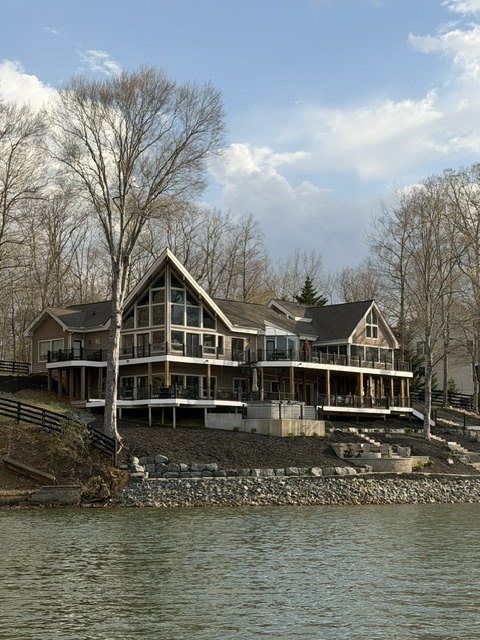
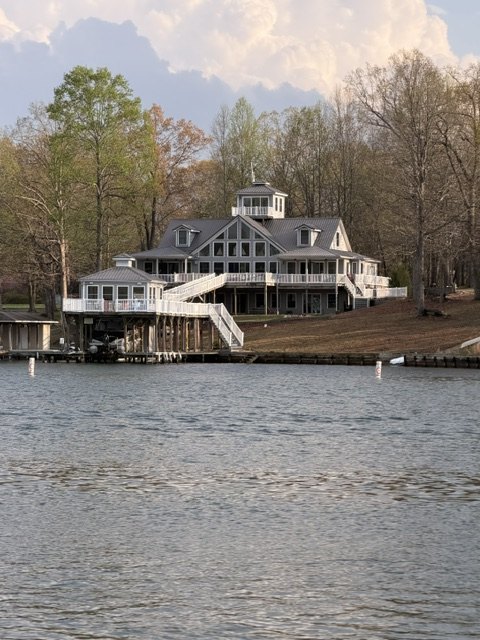
Use precise categories when comparing Lake Anna homes: documented direct frontage, deeded access, common or association access, public-access proximity, view-only, or neither. These categories are not interchangeable. A street address, listing label, photograph, map, or visible shoreline does not establish frontage, access, dock, slip, ramp, swimming, or boating rights.
For a candidate that depends on water use, review the current deed, title work, survey, easements, association documents, shoreline permissions, and available permit history. Confirm what transfers with the property and what depends on a separate agreement or authority. A shoreline or zoning approval does not by itself establish title, access, association consent, structural condition, or future approval.
Public recreation access, shoreline management, and private property rights are separate questions. A public access point does not create private frontage, deeded access, dock, slip, membership, or association rights for a nearby home.
Confirm County, Parcel, Zoning, Permits, and Use
Lake Anna properties can involve different counties, parcels, recorded rights, zoning rules, permit records, and service arrangements. Match the street address to the exact parcel and jurisdiction, then treat public maps and assessor records as starting points rather than substitutes for the deed, current survey, title work, zoning confirmation, permits, inspections, and transaction documents.
Review a buyer’s intended occupancy and use against the current rules and file for the property. Shoreline work, docks, seawalls, additions, accessory structures, septic changes, and rental use can involve separate authorities or approvals. Prior work, a listing description, or a neighboring use does not prove that an improvement is permitted, transferable, compliant, or suitable for the buyer’s plan.
Lake Anna Comparison File
Use
Primary, second-home, or rental plan
Rights
Recorded frontage and access evidence
Systems
Road, utilities, well, and septic
Costs
Property-specific ownership budget
Model Ownership Costs Before Comparing Price
Compare homes with a property-specific ownership budget, not a generic lake-house estimate. Include the negotiated price, financing terms, current tax bill and assessment basis, insurance quotes, association obligations, utilities, road and shoreline responsibilities, well and septic work, inspections, maintenance, repairs, closing costs, and reserves. Verify which obligations transfer with the property and which depend on a separate agreement or service provider.
For financed purchases, reconcile cash-to-close, recurring costs, reserves, and property conditions with the lender’s current Loan Estimate and underwriting requirements. For any rental or income assumption, use current property-specific permissions, actual operating records, management terms, insurance, financing, taxes, and a conservative vacancy and maintenance model rather than a seller projection or listing remark.
Test Systems, Roads, and Year-Round Ownership
Identify how the exact property receives electric, internet, water, wastewater, refuse, and emergency access. For a well, septic system, generator, propane system, or private road, review available permits, inspections, service records, capacity, maintenance obligations, shared agreements, and replacement planning. Confirm present service and provider terms directly; availability near a property does not prove service to it.
Drive the route under conditions that matter to the buyer and verify recorded access, road ownership, maintenance duties, gates, bridges, seasonal conditions, and emergency-service constraints. Treat commute, school assignment, internet performance, and year-round usability as address- and household-specific criteria to confirm with the responsible provider or authority.
Review Title, Condition, Flood, Insurance, and Water Context
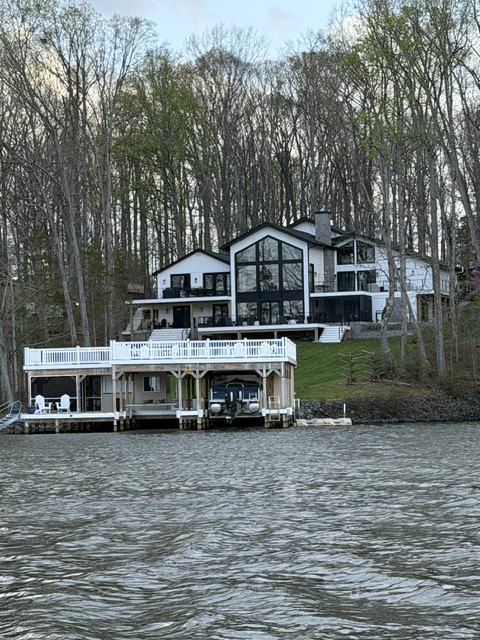
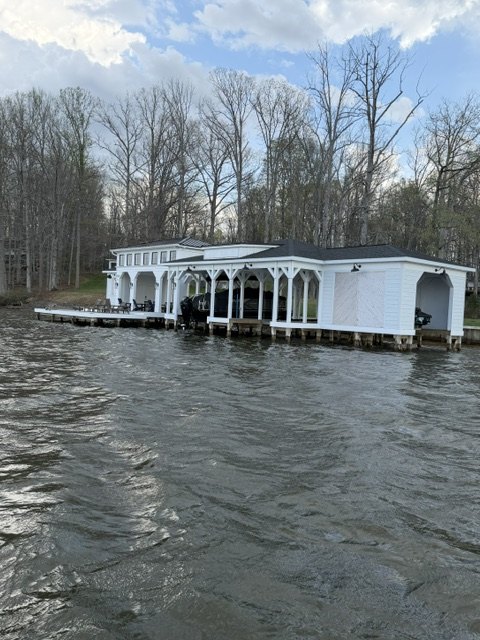
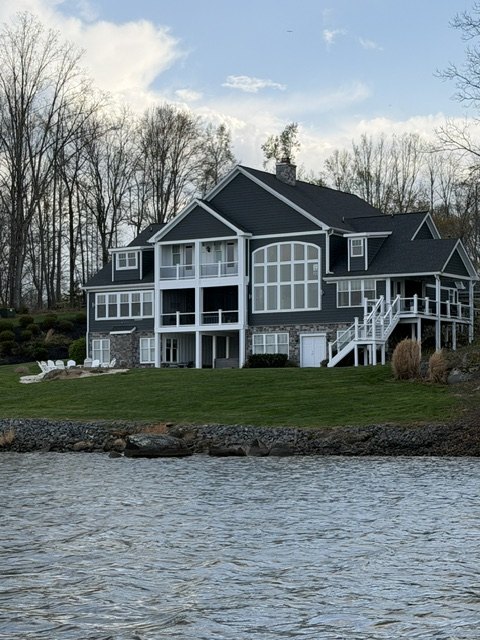
Before relying on a property’s shoreline, access, view, improvements, or use, reconcile the deed, current survey, title commitment, recorded easements, association documents, permits, disclosures, and professional inspections. Investigate structures and systems separately from the land and recorded rights. A permit record does not establish workmanship, present condition, title, insurance eligibility, or future approval.
Use current flood information, insurer and lender requirements, property-specific quotes, radon testing, well-water testing, septic evidence, and inspections appropriate to the home. Public recreation and regional water-quality information can provide context, but they do not establish private access, water depth, suitability, safety, or the condition of any particular parcel or improvement.
Make every comparison traceable to current records, qualified inspections, written provider terms, and the buyer’s own use and risk criteria.
Build an Offer-Ready Diligence File
For each shortlisted property, assemble the exact parcel and jurisdiction; listing ID or property URL; deed, survey, title, easements, and association records; zoning and permit evidence; road and utility information; well and septic files; disclosures and inspections; flood, insurance, tax, financing, and closing-cost evidence; and the buyer’s intended use.
Before writing an offer, identify what remains unverified, who must verify it, the deadline, the acceptable evidence, and the buyer’s response if the evidence changes the plan. Structure inspections, financing, title, association, appraisal, insurance, and other protections with the buyer’s licensed professionals and current contract documents.
Use an Objective Lake Anna Shortlist
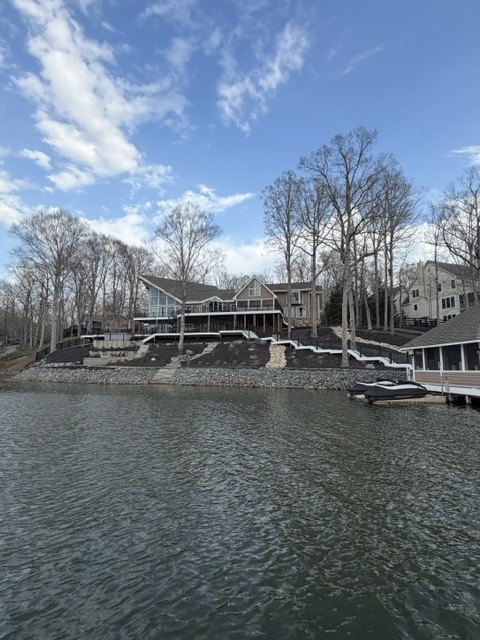
- Property fit: Price, property type, condition, lot, systems, maintenance tolerance, and intended use.
- Documented rights: Deed, survey, title, easement, association, and shoreline evidence for the exact parcel.
- Systems and access: Road, electric, internet, well, septic, backup systems, and service obligations.
- Risk and cost: Inspections, flood information, insurance, taxes, financing, repairs, reserves, and closing costs.
- Transaction fit: Evidence gaps, professional review, contract protections, deadlines, and exit decisions.
Map the Property, Then Build an Offer-Ready File
Use the map only to orient a search. Verify the exact parcel, jurisdiction, legal and physical access, route, services, and buyer-specific travel requirements before making a decision. Browse the OwnRVA neighborhoods hub, compare candidates through home search, or review the buyer representation process before building a property-specific diligence plan.
Frequently Asked Questions About Lake Anna Homes
What should I compare first when evaluating Lake Anna homes?
Start with intended use, budget, financing, maintenance tolerance, documented water or road access, parcel systems, condition, and recurring obligations. Apply those criteria to an exact property list before relying on finishes or marketing labels.
Does a waterfront or lake-access label prove property rights?
No. Verify frontage, deeded or common access, dock or slip rights, easements, association documents, shoreline permissions, title, and survey evidence for the exact property.
How should I verify county, zoning, permits, and rental use?
Match the address to its exact parcel and jurisdiction, use county records as a starting point, and obtain current confirmation for zoning, permits, enforcement, and the buyer’s intended use.
Which systems and access records matter for a Lake Anna property?
Review well, septic, electric and other service records, recorded road access, maintenance agreements, backup systems, inspections, and provider confirmations for the exact address.
How should I evaluate flood, insurance, radon, and condition?
Use current maps, insurance quotes, tests, disclosures, professional inspections, and lender requirements. General lake-area information cannot establish a property’s risk, condition, or insurability.
How should I budget for a Lake Anna purchase?
Model the actual price, financing terms, tax bill, insurance quote, association obligations, utilities, road and shoreline responsibilities, system maintenance, inspections, closing costs, and reserves for the specific property.
Build a Defined Lake Anna Search With OwnRVA
Michela Worthington | Virginia license #0225226172 | The OwnRVA Group, brokered by Real Broker, LLC. 3900 Westerre Pkwy Ste 300, Richmond VA 23233. (804) 391-9294 · michela@ownrva.com
Use home search for candidate discovery and buyer representation to define the evidence, professionals, and deadlines needed for each property. Request a Richmond-area property shortlist and address-specific buyer diligence with OwnRVA.