Is your Church Hill rowhome full of character but tough to stage? You are not alone. Tall windows, narrow rooms, and original details are beautiful, but they need a careful touch to shine in photos and showings. In this guide, you will learn how to highlight period features, create easy flow, and keep your staging preservation‑friendly. Let’s dive in.
Why Church Hill staging is different
Church Hill is Richmond’s oldest residential neighborhood, known for brick rowhouses, Federal and Italianate details, tall ceilings, and stoops that frame daily life. Buyers come for history, walkability, and quick access to downtown. Your staging should spotlight authenticity and a lifestyle that feels both classic and current.
Because much of Church Hill falls within local historic districts, exterior changes often require design review by the City of Richmond. You can explore guidance through the City of Richmond’s historic preservation pages. Interior staging is typically unrestricted, but preserving original fabric is smart. For local preservation context and support, the Historic Richmond Foundation is a helpful resource.
Lead with historic character
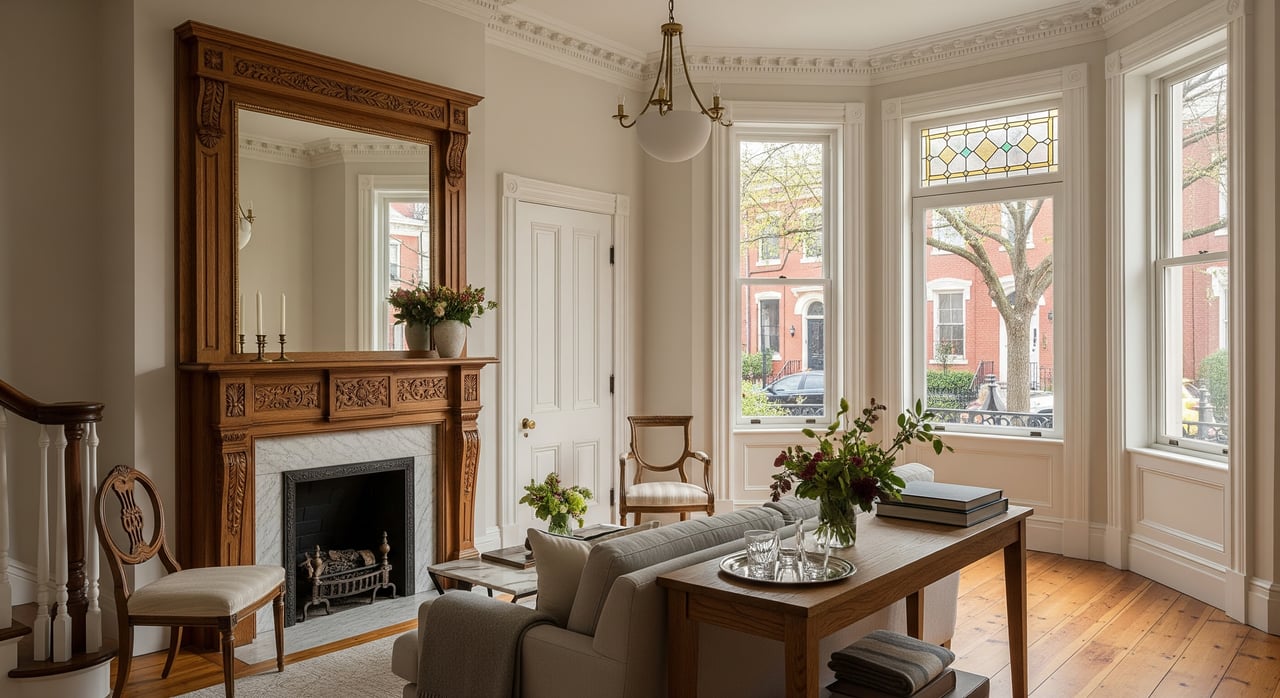
Your home’s best selling points are its original materials and craftsmanship. Make those features the stars.
- Reveal and protect details. Clean mantels, transoms, moldings, and hardwoods. Avoid heavy coverings that hide character.
- Use period‑sensitive neutrals. Soft whites, warm grays, and muted greens keep focus on woodwork and brick.
- Keep staging reversible. Use removable hooks, padded furniture feet, and non‑adhesive methods on plaster and brick.
- Minimize intrusive tech. Do not mount a TV over a mantel. If needed, place it in a secondary room or conceal it.
Scale and flow in narrow rooms
Rowhomes often have linear floorplans and tight front rooms. Furniture scale and placement can make or break flow.
- Choose slim silhouettes. Low‑arm sofas, paired accent chairs, and narrow consoles keep pathways clear.
- Right‑size rugs. Frame seating without covering the floor’s character.
- Protect sightlines. From the front parlor, you should see through to the next space to suggest openness.
Light, color, and finishes
Light is equity in historic homes. Use it to highlight proportion and detail.
- Maximize windows. Use sheers or simple blinds that showcase tall windows and transoms.
- Layer lighting. Pair warm ambient fixtures with bright task lighting in kitchens and baths.
- Refresh floors. Deep clean or refinish original hardwood when practical; use area rugs sparingly.
Room‑by‑room playbook
Front parlor
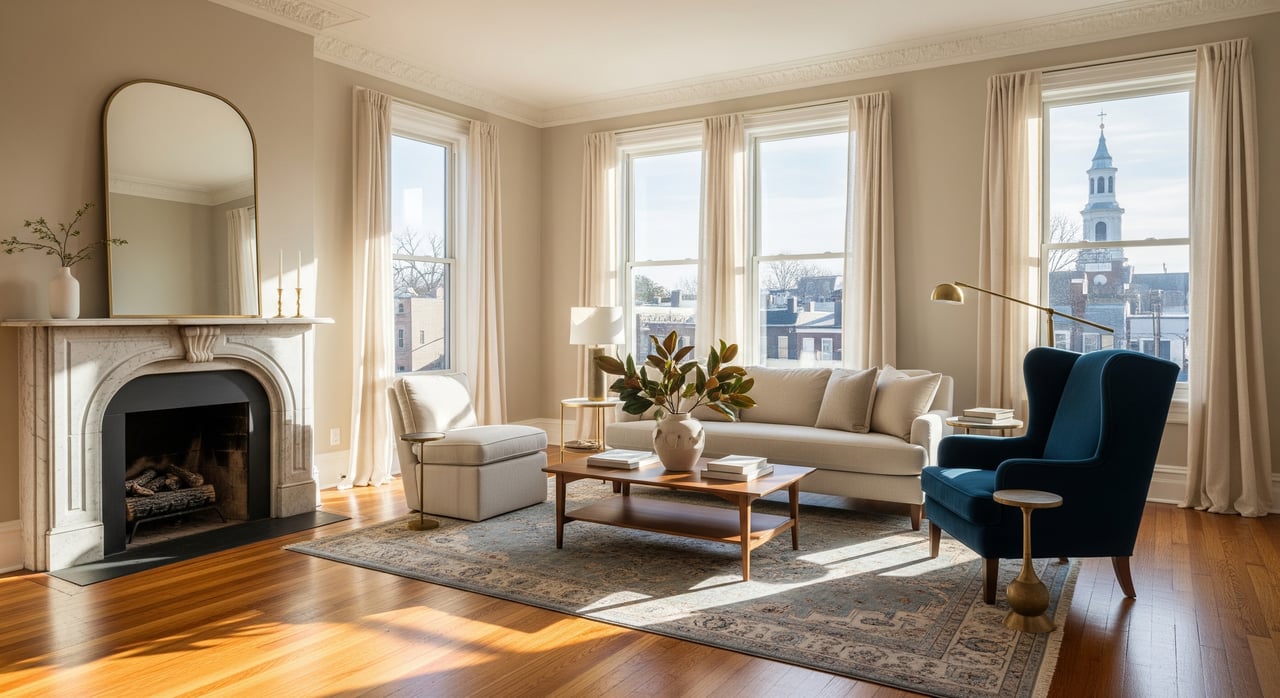
Stage this as a true gathering space. Use one small sofa or two chairs, a modest coffee table, and a period‑appropriate mirror or art over the mantel. Keep traffic open to the next room to suggest entertaining flow.
Dining or flex space
If the middle room is narrow, show versatility. A small dining table with four chairs works well. If space is tight, stage as a reading nook or compact home office to show options.
Kitchen
Buyers want functionality with historic charm. Clear counters, add a bowl of fruit and a utensil canister, and keep lighting bright and warm. Do not cover exposed brick or beams. In compact kitchens, emphasize efficiency with scaled appliances and visible storage solutions.
Bathrooms
Cleanliness sells. Re‑grout, replace worn caulk, and add fresh towels and a simple plant or soap dish. If plumbing is older but functioning, be transparent in your listing notes while keeping the room spotless.
Bedrooms
Right‑size the bed to the room. A full or queen is often better than a king in smaller secondaries. Leave clear pathways and edit furniture to make light and storage the focus. Declutter closets so buyers can gauge capacity.
Basements and attics
Show usable space without overpromising. If dry and clean, stage as storage, a workshop, or a small bonus area. If there are limitations, keep staging minimal and ensure safe access.
Stoops, porches, and courtyards
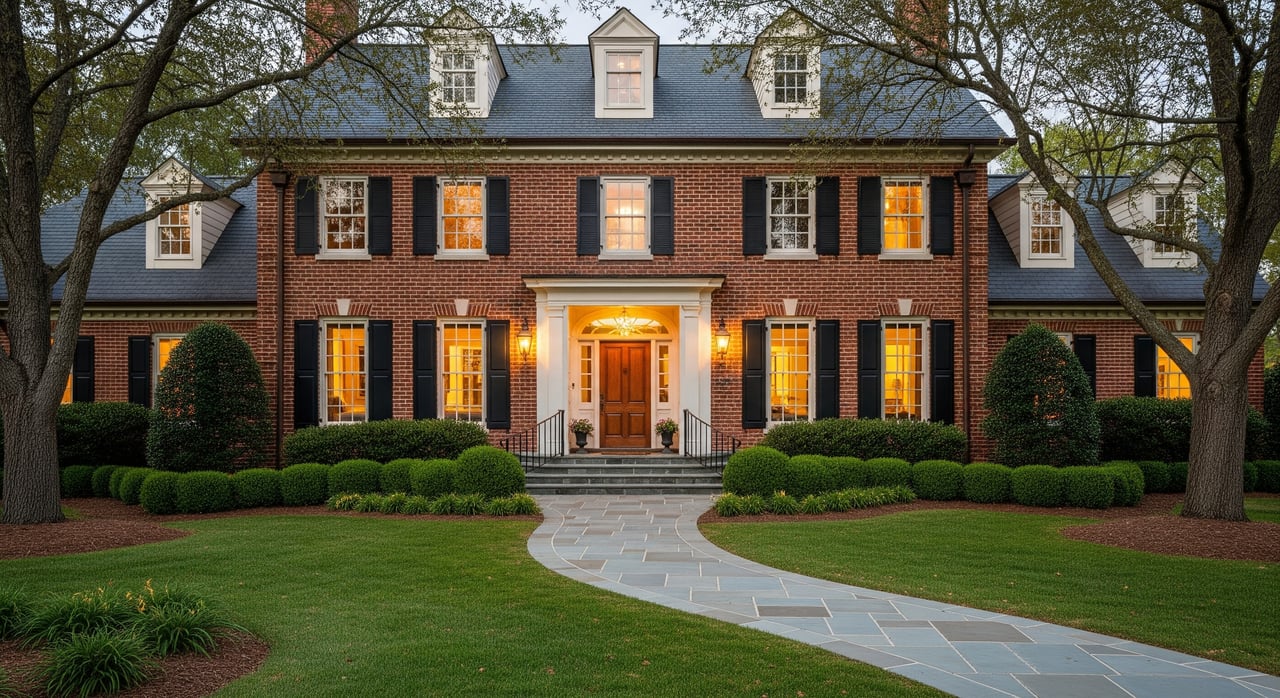
Curb appeal matters in Church Hill. Sweep steps, freshen railings, and add potted plants. A small chair or bench on the porch can sell the lifestyle instantly. Ensure house numbers and lighting are clean and visible.
Exterior masonry and paint
Be gentle with historic brick. Clean with non‑abrasive methods and match mortar appropriately if repointing is needed. If you plan to change exterior paint colors or visible elements, consult the City of Richmond’s design review process early.
Rules and preservation basics
- Exterior work visible from the street often requires review in historic districts. Start with the city’s guidance and, when in doubt, ask. The Historic Richmond Foundation and the Virginia Department of Historic Resources can point you in the right direction.
- If you or a future buyer may pursue historic tax credits, make permanent changes in line with the National Park Service’s Federal Historic Preservation Tax Incentives standards. Staging items like rental furniture will not affect eligibility.
- Many pre‑1978 homes contain lead paint. Any work that disturbs painted surfaces must follow the EPA’s Lead Renovation, Repair and Painting Rule. Be sure disclosures are handled correctly.
Budget, timeline, and ROI
Every Church Hill home is unique, but these ranges can help you plan. Actual Richmond costs vary.
- Consultation only: typically $200 to $600.
- Partial staging (key rooms): about $1,500 to $5,000.
- Full staging: about $3,000 to $15,000 or more, depending on size and duration.
- Light updates and repairs: about $500 to $5,000.
Plan 1 to 3 weeks for decluttering, cleaning, and small repairs before listing. Schedule furniture rental 3 to 7 days before photography. Allow extra lead time for any exterior work that may need review.
Industry research from groups like the National Association of REALTORS and the Real Estate Staging Association indicates staged homes typically show better and spend less time on market. Your results depend on pricing, condition, and the quality of staging, plus strong marketing assets like professional photography and floorplans.
Quick Church Hill staging checklist
- Declutter and depersonalize throughout.
- Clean and repair visible historic features and patch plaster where needed.
- Refinish or deep clean hardwood floors if practical.
- Stage the front parlor to show entertaining flow.
- Make the kitchen efficient and bright with clear counters.
- Right‑size beds and highlight light in bedrooms.
- Refresh baths with crisp linens and bright lighting.
- Dress the stoop and tidy any rear courtyard or alley.
How OwnRVA can help
You do not have to manage this alone. Our team coordinates pre‑listing preparation, vetted vendors, and a digital‑first marketing plan tailored to Church Hill homes. If light cosmetic work will improve your launch, we can organize pay‑at‑close updates through our Curbio partnership, then stage the spaces that matter most and capture them with pro photography and virtual tours.
OwnRVA has helped 110+ families buy and sell across Greater Richmond, including many historic properties. We bring neighborhood expertise, clear process, and responsive service that keeps you confident from prep to closing. Ready to build your strategy for Church Hill? Connect with Michela Worthington to get started.
FAQs
What makes staging a Church Hill rowhome unique?
- Narrow rooms, tall ceilings, and original details require scaled furniture, clear sightlines, and reversible staging that highlights historic fabric.
Do I need approval for exterior changes before listing?
- Often yes. Exterior work visible from the street in historic districts may need city design review. Start with the City of Richmond’s guidance.
How do I handle possible lead paint in an 1800s home?
- Use EPA RRP‑certified pros for any work that disturbs painted surfaces and follow federal lead disclosure rules. See the EPA’s RRP guidance.
Will staging reduce my home’s historic character?
- No. Proper staging reveals and protects original features while showing modern livability with reversible, light‑touch methods.
What is a realistic staging budget and timeline?
- Many sellers invest $1,500 to $5,000 for partial staging, with 1 to 3 weeks for prep. Costs and timing vary by scope, inventory, and contractor availability.