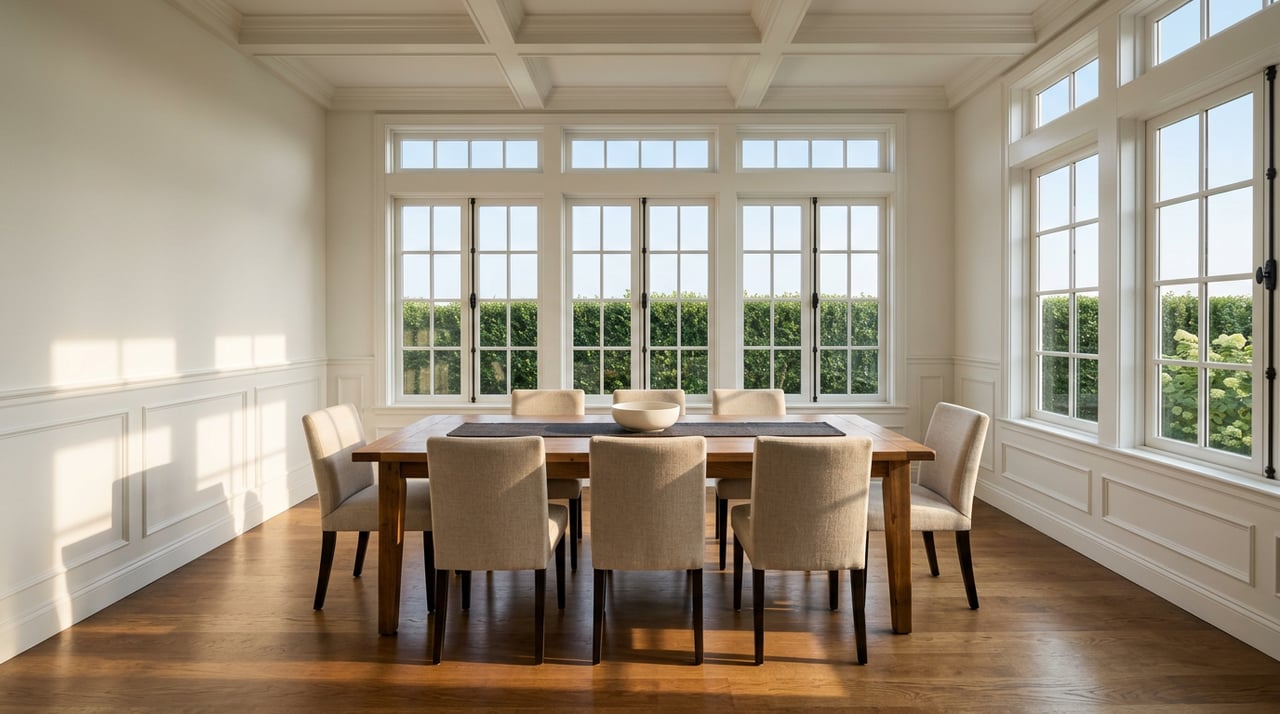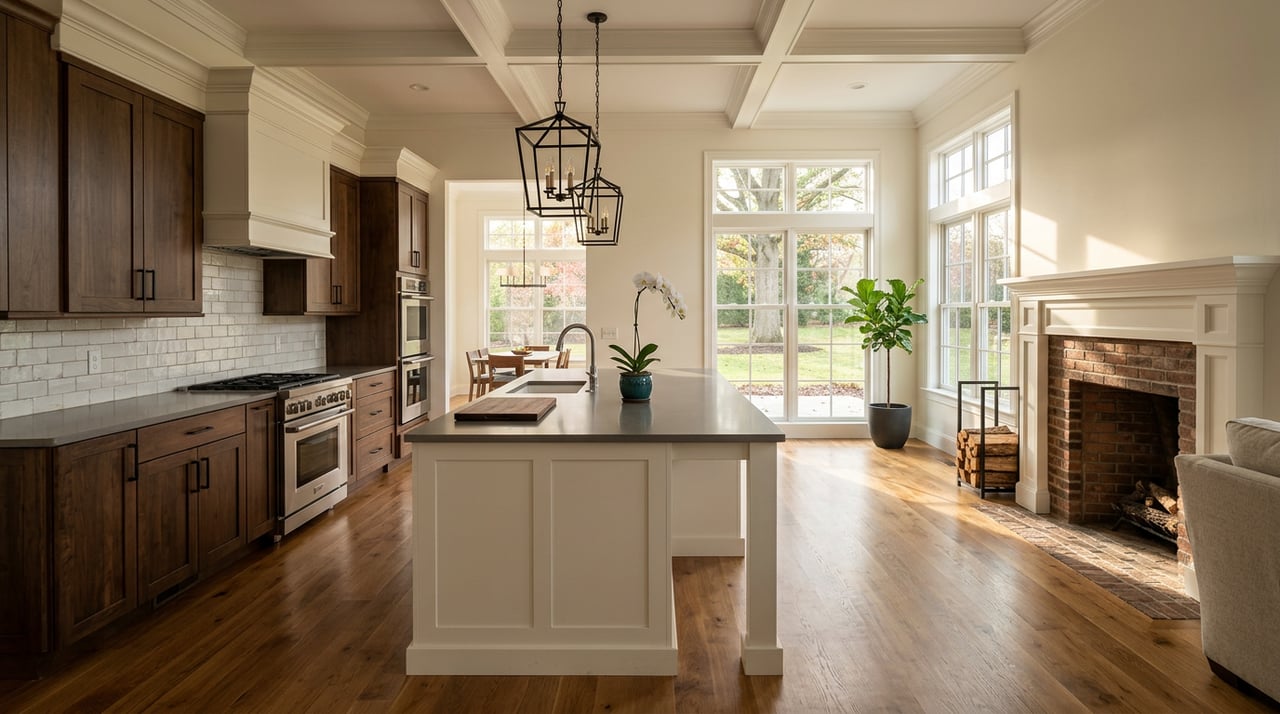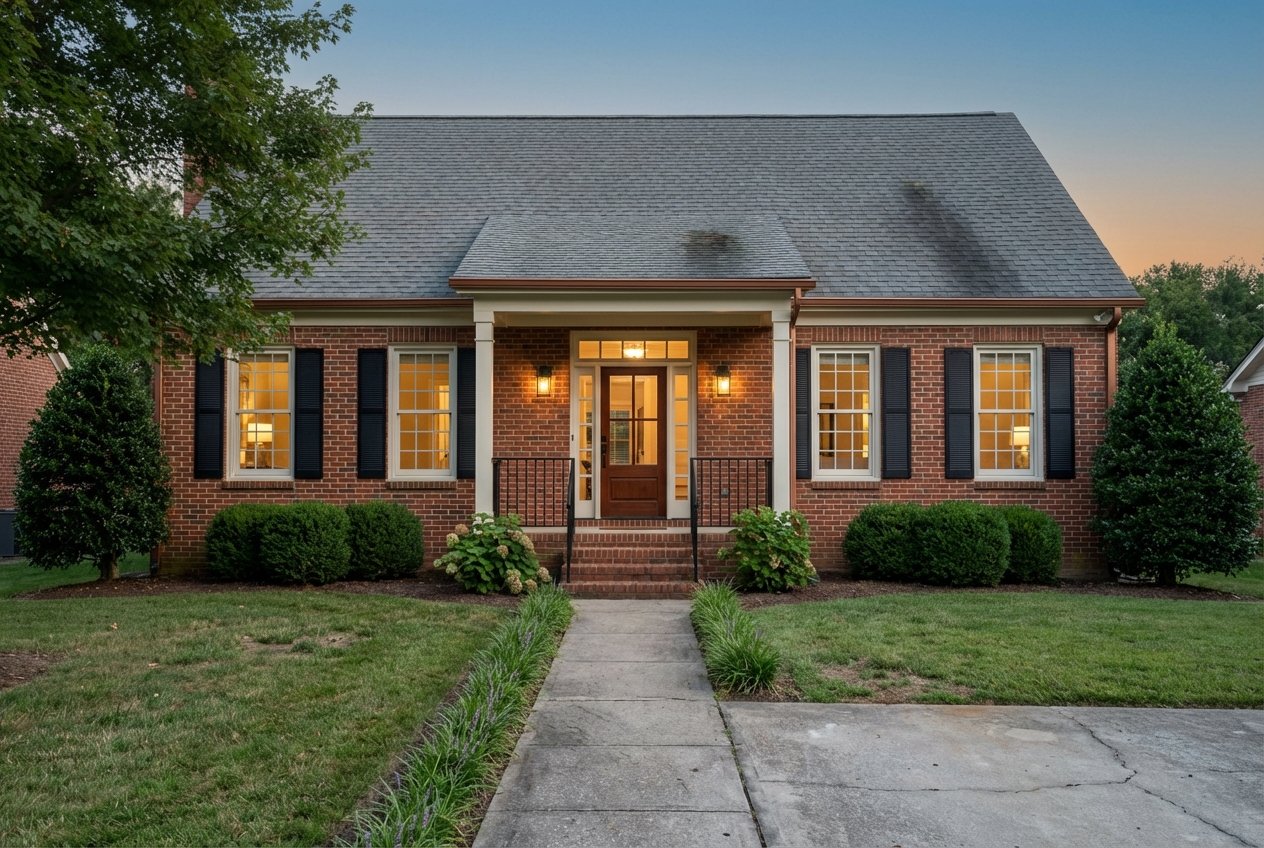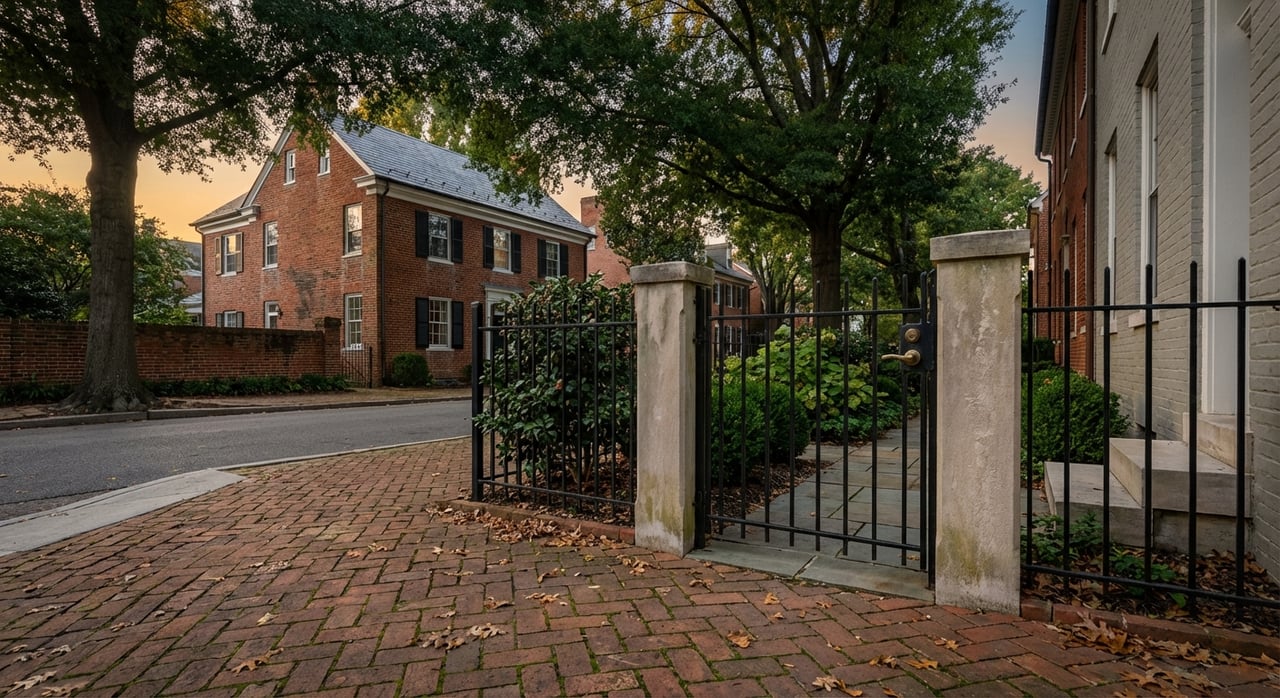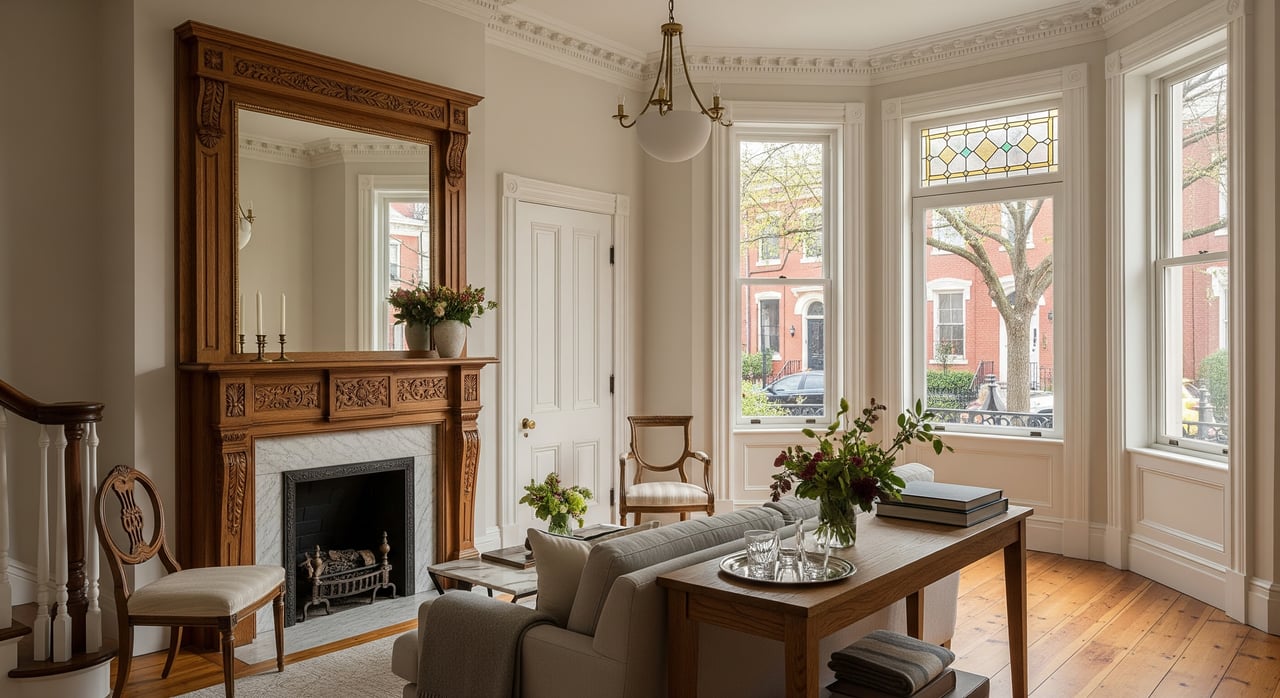
Is your Fan home long on character but short on today’s buyer expectations? You are not alone. Selling a historic property in The Fan asks you to protect original details while also delivering modern function and strong marketing. In this guide, you will learn how a preservation-smart concierge plan can handle the prep for you, reduce stress, and help you launch a standout listing. Let’s dive in.
What a concierge plan means for you
A real estate concierge plan coordinates and manages pre-sale improvements so you do not have to juggle vendors, timelines, or payments on your own. In many cases, costs are advanced and repaid at closing, which preserves your cash while the work gets done.
- Common structures:
- Agent or brokerage advance with repayment at closing.
- Third-party capital partner that funds work and records a short-term lien, repaid at closing.
- Seller-pay-after-sale with no upfront cost, subject to contract terms.
The goal is simple: speed up market readiness, highlight your home’s best features, and meet what Fan buyers value without over-modernizing.
Why Fan buyers pay for ready homes
The Fan draws buyers who love the neighborhood’s late-19th and early-20th-century architecture, porches, high ceilings, and tree-lined blocks. Many also want updated systems and clean, functional kitchens and baths. When your home checks both boxes, you widen your buyer pool and reduce objections.
What buyers in The Fan tend to prioritize:
- Preserved period details like mantels, trim, and pocket doors.
- Modernized kitchens and bathrooms that stay sympathetic to the home’s style.
- Reliable mechanicals, including HVAC and updated electrical and plumbing.
- Porch presence, curb appeal, and usable outdoor space.
- Energy-efficiency improvements that respect historic fabric.
Preservation rules you must know
Local historic district review
The Fan is a locally designated historic district. Exterior alterations, demolition, and some replacements can require review and approval by Richmond’s Historic Preservation Office or the local historic commission. Before you commit to exterior work for curb appeal, confirm what needs review. Items like porch repairs, paint color, windows and doors, and landscaping changes may be regulated.
Lead-based paint and safe work practices
Most Fan homes were built before 1978. Federal law requires you to provide buyers with the EPA lead-based paint pamphlet and disclose any known hazards. If renovation work will disturb painted surfaces, contractors must comply with the EPA Renovation, Repair and Painting Rule and use lead-safe practices. Keep all documentation so buyers can see the work was done correctly.
Permits, qualified vendors, and documentation
Structural and exterior work generally requires Richmond permits and inspections. Choose contractors with historic-home experience, familiarity with local permitting, and EPA certification when paint is involved. Save permits, warranties, and before-and-after photos for your listing package.
A Fan-focused concierge checklist
Safety and system essentials first
Address the make-sellable items before cosmetics. These are the fixes that protect your contract from falling apart later.
- Replace or remedy unsafe electrical conditions, including knob-and-tube wiring.
- Service or replace HVAC and confirm hot water reliability.
- Fix active roof leaks, foundation issues, and water intrusion.
- Treat and remediate termites or active pest problems.
- Make sure the home meets minimal code and habitability expectations for inspections.
High-impact updates that respect character
Improve function while celebrating original features. Small, well-chosen updates can make your photos and showings shine.
- Kitchen: refresh with updated appliances, paint or refinish cabinetry, and keep period-appropriate hardware when possible.
- Bath: modernize fixtures and lighting without gutting historic layouts unless necessary.
- Paint and trim: repaint interiors to showcase moldings; restore woodwork where feasible.
- Floors: refinish original wood floors rather than replacing.
- Lighting: swap dated fixtures for period-appropriate or clean transitional styles.
- Windows: repair sash and hardware; consider storm windows or weatherstripping to improve efficiency instead of full replacement.
Staging that highlights historic details
Staging in a Fan home should draw attention to architecture, not hide it.
- Use furniture scaled for high ceilings and larger front rooms.
- Keep surfaces clear so moldings, built-ins, and mantels stand out.
- Stage porches to show daily living potential.
- Guide flow from formal rooms to the kitchen to help buyers imagine their lifestyle.
- Capture detailed photography of trim, transoms, pocket doors, and hardware.
Curb appeal without delays
Because exterior changes may require review, plan porch repairs, paint color, and landscaping with the Historic Preservation Office early in your timeline. Favor repairs and restorative treatments that preserve existing elements and align with the streetscape.
Timeline: what to expect
Every home is unique, but a Fan-specific concierge plan follows a predictable rhythm.
- Week 1 to 2: Initial assessment and scope. Contractor walkthroughs, prioritized recommendations, and cost estimates tailored to preservation needs.
- Variable review period: If exterior work is proposed, factor in historic design review and permitting. Timing can range from several weeks to months depending on scope.
- Weeks 3 to 10: Project execution. Two to eight weeks is typical for an interior refresh and systems work. Structural or major exterior repairs may take longer.
- Week 11 to 12: Staging, photography, and listing prep once work is complete.
Throughout the process, keep records of work, permits, and lead-safe certifications to include with your listing.
How payment and repayment work
Concierge plans are designed to remove upfront cost friction. Your agreement should clearly spell out who pays vendors, how costs are advanced, and how repayment occurs at closing.
- Agreement terms to include:
- Scope of work, vendors, and who authorizes changes.
- Total budget, repayment method, and what happens if the sale does not close.
- Whether a short-term lien will be recorded and how it is released at closing.
- Disclosures and documentation: You still must disclose material defects, known lead-based paint hazards, and significant repairs. Provide permits and warranties.
- Closing mechanics: Ensure your closing attorney or settlement agent understands the repayment so funds are disbursed correctly.
Pricing and marketing for maximum impact
Your pricing should reflect both historic character and the completed updates. Use comparables with similar restoration levels and systems improvements. Updated Fan homes often see shorter market times because they meet buyer expectations.
Bring your story to life in the listing:
- Highlight preservation-sensitive work and the original features you restored or protected.
- Provide a clear “improvements made” list with dates, permits, and warranties.
- Use high-quality photos that showcase details and the tree-lined streetscape. Consider floor plans to help buyers understand flow.
- Share your documentation packet digitally and at showings to build confidence.
How OwnRVA runs your concierge sale
You get a turnkey, preservation-smart process tailored to The Fan. OwnRVA coordinates vendors, scopes the right updates, and keeps your timeline and budget on track so you can focus on your next move.
What we handle for you:
- Pre-listing strategy and valuation anchored to Fan-specific comps.
- Vendor coordination with experienced historic-home pros and lead-safe certified teams.
- Pay-at-closing renovation solutions through trusted partners when appropriate.
- Staging and professional photography that spotlight period details.
- Digital-first marketing, including dedicated property pages, virtual tours, and targeted promotion.
- Clear negotiation and closing support with repayment mechanics aligned.
Our team combines neighborhood expertise with a concierge-style playbook. With more than 110 families served, 140-plus properties sold, and over $34 million in sales, we bring a disciplined, client-first approach to every listing.
Ready to sell your Fan home with less stress and more confidence? Reach out to start a tailored concierge plan that protects your home’s character and your timeline. Connect with Michela Worthington to begin.
FAQs
What is a concierge plan for selling a Fan home?
- It is a pre-sale service where your agent coordinates and manages repairs, updates, staging, and marketing. Costs are often advanced and repaid at closing, which helps you prepare the home without upfront cash.
Which updates matter most for historic Fan buyers?
- Prioritize safety and systems, then focus on kitchens, baths, floors, lighting, and interior paint that complement original details. Preserve trim, mantels, and woodwork while improving function.
Do exterior changes on my Fan home need approval?
- Many do. The Fan is a local historic district, and exterior alterations can require review by Richmond’s Historic Preservation Office or commission. Plan exterior work early to avoid delays.
How do lead-based paint rules affect my sale?
- For homes built before 1978, you must provide the EPA lead pamphlet and disclose known hazards. Contractors must follow EPA lead-safe practices for paint-disturbing work and provide documentation.
What happens if my home does not sell after concierge work?
- Your agreement should specify repayment terms if a sale does not close. Clarify liability, any lien release process, and repayment schedule before work begins.
How long does a Fan-focused concierge project take?
- Expect 1 to 2 weeks for assessment, variable time for any required historic review, 2 to 8 weeks for interior refresh and systems updates, and 1 to 2 weeks for staging and listing prep.