Thinking about selling in Short Pump and wondering how to make your home pop online? Most buyers start their search on their phones, and the listings that stop their scroll usually get the showings. When you pair great visuals with a clear launch plan, you can turn early clicks into real appointments. In this guide, you’ll see exactly how a digital‑first approach works in Short Pump, what to expect from each tactic, and a simple timeline to roll it out. Let’s dive in.
Why online first impressions decide showings in Short Pump
Short Pump sits in Henrico’s West End and offers the convenience and amenities buyers want. Portal snapshots show the area’s median sale price trending in the mid‑$500s, while broader Henrico often comes in lower. Use live MLS data for precise pricing on listing day because month‑to‑month shifts matter. You can get a quick feel for current market context from the Short Pump overview on Realtor.com, then fine‑tune strategy with local comps. (Realtor.com Short Pump overview)
Most buyers begin online. In a recent survey, the National Association of REALTORS found 43% of buyers started by looking online, and they rated photos as very useful, with floor plans also playing a key role. In plain terms, your listing media is your first showing. Investing in strong visuals up front increases the odds your home makes the short list. (NAR 2024 Highlights)
The four pillars of a digital‑first launch
Professional photography
What it is: A pro shoot captures well‑lit, true‑to‑life images that lead with your best spaces and angles. Expect properly exposed interiors, crisp exteriors, and optional enhancements like twilight or drone on homes where they add context.
Why it matters: Photos are the first filter buyers use when scrolling. Industry evidence points to real impact. One analysis reported professionally photographed homes sold about 32% faster than other homes in its comparison. Treat that as directional proof that quality visuals materially improve performance. (VHT study summary)
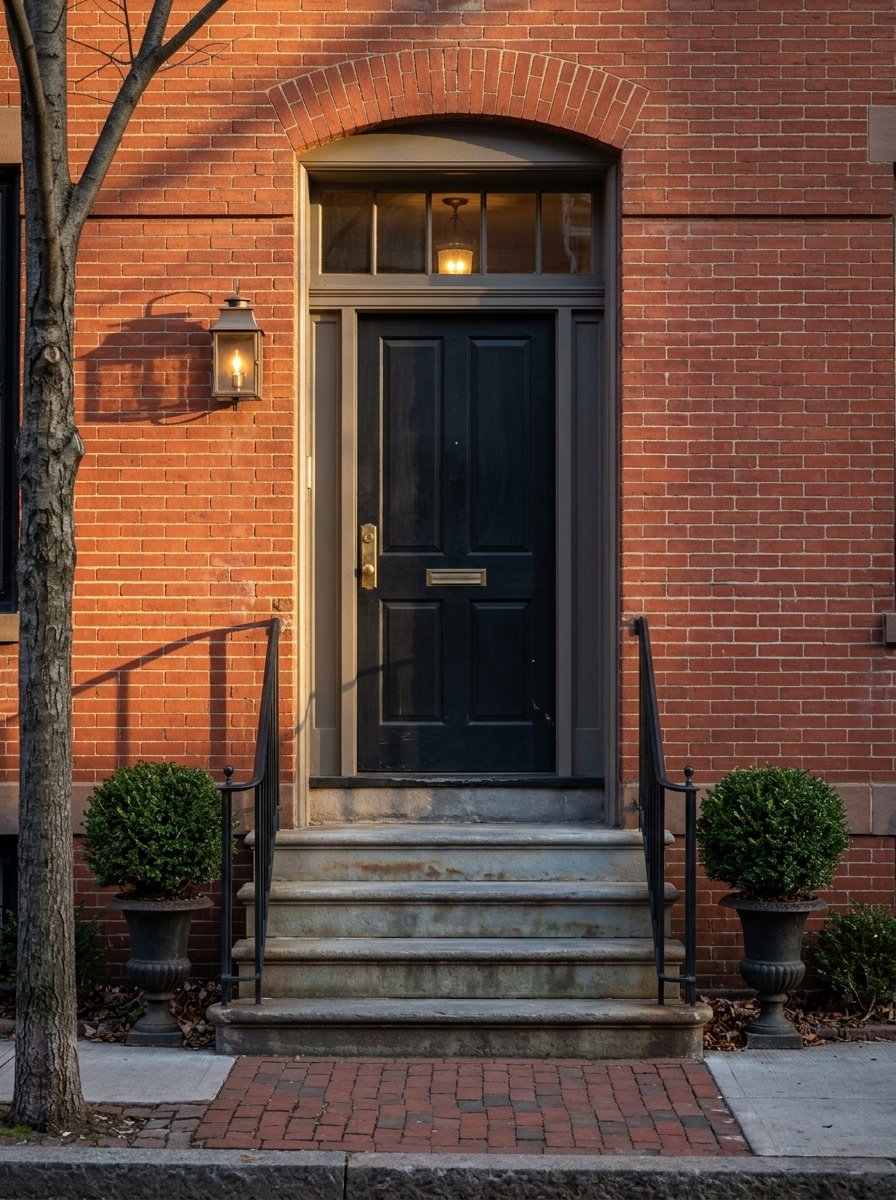
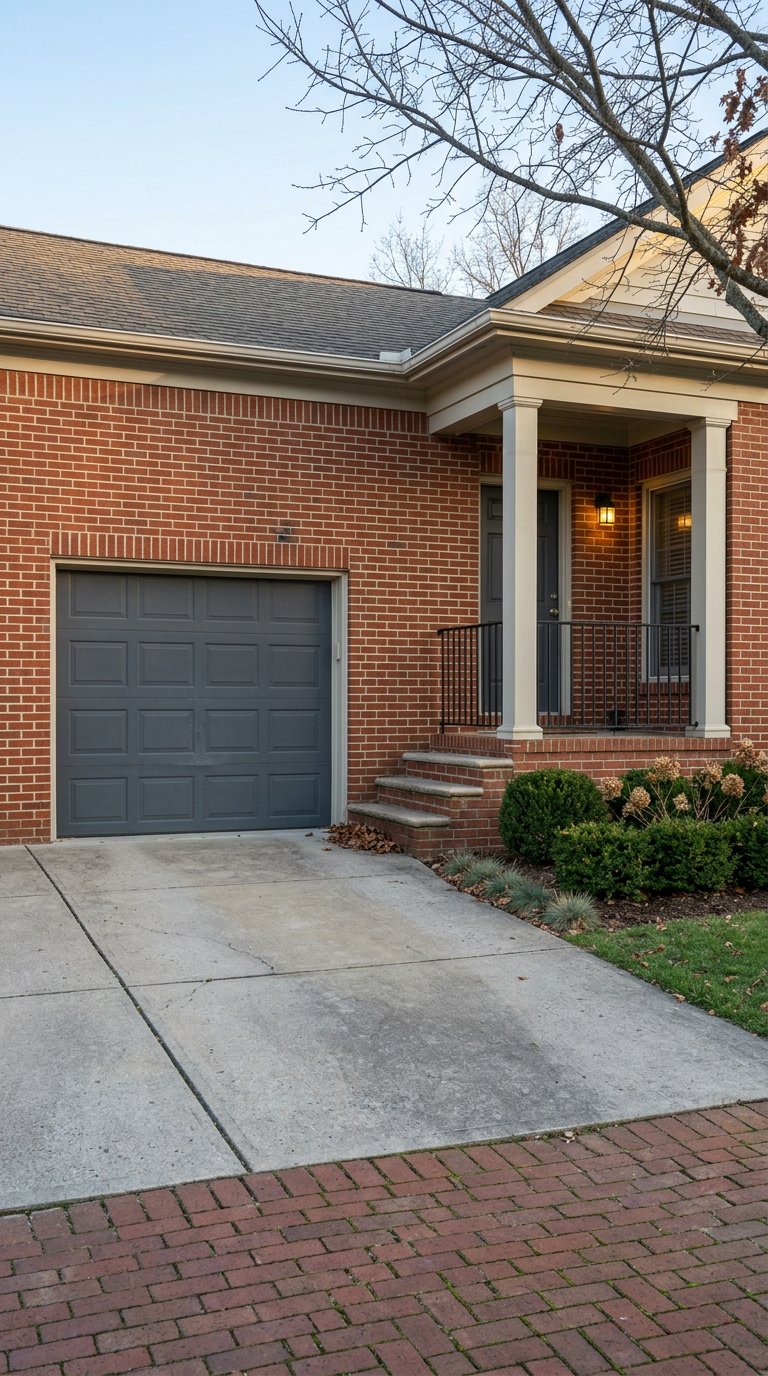
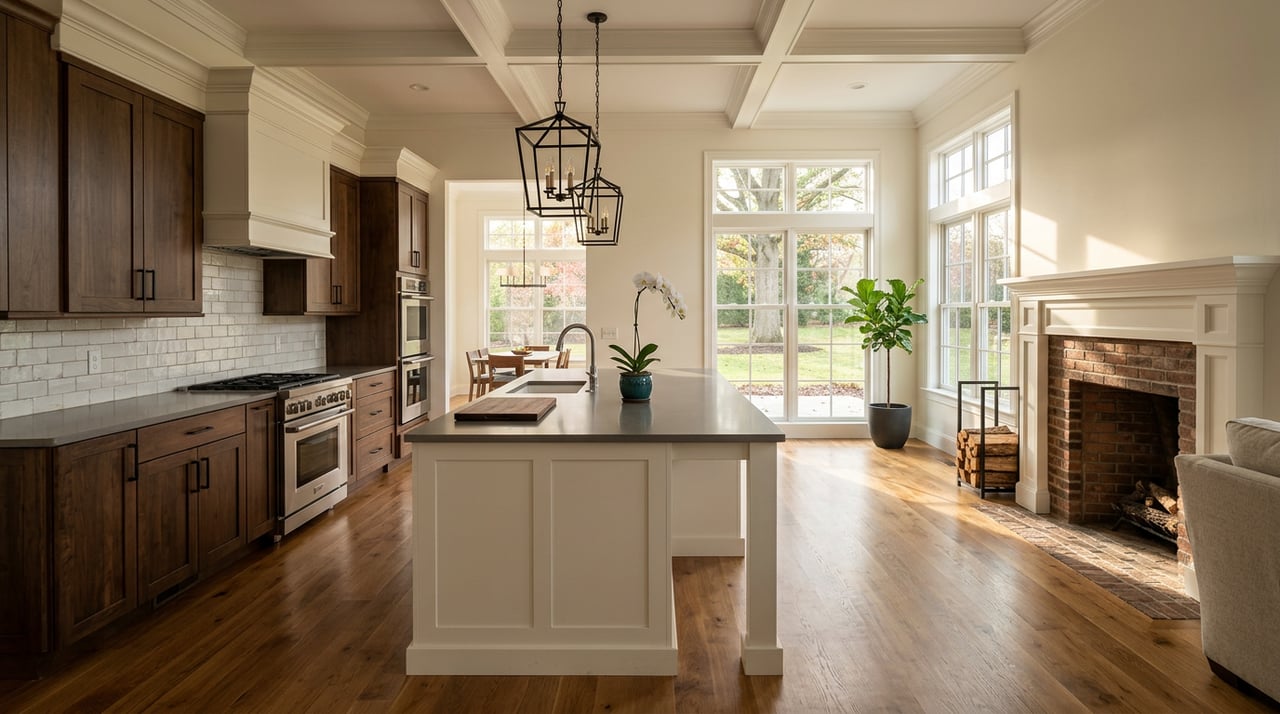
Short Pump tips: Lead with a bright exterior hero shot, an inviting kitchen, the main living area’s flow, and the primary suite. If views, outdoor living, or neighborhood access are selling points, plan a few context shots. Twilight exteriors and drone can add separation on higher‑priced listings.
Single‑property website
What it is: A clean microsite for your home that centralizes photos, video, a 3D tour, floor plan, map, and an easy “request a showing” form. It is separate from portals and gives you a focused place to send ad traffic.
Why it matters: It removes distractions from competing listings, keeps your story tight, and captures leads directly. It also enables tracking so you can see which ads and channels drive the most interest. (Guide to single‑property sites)
Practical setup: Keep the site simple. Make sure data matches the MLS, embed the 3D tour, add a printable flyer, and use basic analytics so you can measure visits and form fills.
Virtual tours and 3D walkthroughs
What it is: An interactive walk‑through (like Zillow 3D Home) or a video tour that lets buyers preview the layout from anywhere.
Why it matters: Zillow reports that listings with a 3D Home tour and floor plan get meaningfully more page views and saves on their platform, which can translate into more qualified showings. Capture the 3D tour during the same visit as your photos for speed. (Zillow 3D Home overview)
Short Pump tips: 3D is especially helpful for relocators and busy professionals who pre‑screen homes midweek and line up weekend showings.
Targeted social ads
What it is: Short, focused ad campaigns on Facebook and Instagram that push your listing’s website or tour to local shoppers, nearby neighbors, and retargeted visitors who already clicked.
Why it matters: Ads extend your reach beyond organic MLS traffic and help concentrate attention in the first 72 hours. Plan with compliance in mind. Housing ads on Meta must be designated under the Special Ad Category for Housing, which restricts some targeting to prevent discrimination. Use broader geographic settings and interest‑based signals that pass platform rules. (Meta housing ads compliance tips)
Cost expectations: Many vendors report cost‑per‑lead ranges around 15 to 60 dollars in typical U.S. markets, with retargeting often converting most efficiently. Start small, measure, then scale what works. (CPL ranges for real estate)
Compliance reminder: The U.S. Department of Housing and Urban Development has issued guidance on digital advertising. Build campaigns that respect fair‑housing standards and document your settings. (HUD digital advertising guidance)
A simple Short Pump launch timeline
Use this checklist to go live with confidence and capture that crucial first‑week momentum.
T–2 weeks: Pricing and prep
- Finalize your price strategy after reviewing comparables and a pre‑inspection if needed. Sellers consistently rank pricing and marketing as top priorities, so align both early. (NAR 2024 Highlights)
- Confirm staging, exterior spruce‑ups, and vendor dates. Book a photographer who can deliver photos and a 3D tour in one appointment.
T–7 to T–3 days: Capture and build
- Photo day: style key rooms, capture daylight interiors, consider twilight exteriors, and add drone if views or lot lines matter.
- Receive media, draft your listing description, and build the single‑property site with the 3D tour and a simple lead form.
T–2 to T: Finalize and QA
- Double‑check that the microsite and MLS data match. Test the lead form, Google Analytics or UTM tags, and any tracking pixels.
- Prepare an unbranded tour link if required and assemble a digital flyer for broker and neighbor outreach.
Launch day: Go live midweek
- Many broker analyses favor a Wednesday or Thursday debut to maximize weekend traffic. Concentrate the first 72 hours on agent outreach and ad amplification. (Why launch timing matters)
First week: Amplify and retarget
- Run a short, compliant social campaign. Retarget site visitors and people who engage with your video or 3D tour. Keep budgets modest until you confirm what’s converting.
- Track showing requests, open house RSVPs, and agent feedback to refine messaging by day three.
Post‑launch: Measure and adjust
- Review page views, 3D tour completions, ad click‑through, cost per lead, and total showings. Reallocate spend to your best‑performing creative and audiences.
What success looks like and how to measure it
Set realistic early benchmarks. A practical target is to double first‑week listing views compared with similar listings you’ve run before. Aim for at least 10% of listing page visitors to complete the 3D tour, and convert roughly 3 to 8% of total views into showing requests. These are rules of thumb; your actual numbers depend on price, condition, and local demand.
Explain the “why” clearly. Strong media and smart distribution create a better first impression online, which brings more qualified buyers through the door. That increased real‑world traffic is what can shorten market time and support stronger offers when pricing and condition are on point. Industry evidence aligns with this, from faster time‑to‑sale with professional photos to higher platform engagement when you include 3D tours. (VHT study summary; Zillow 3D Home overview)
Avoid these common pitfalls
- Skipping pro photos. DIY shots reduce clicks, which reduces showings. The savings rarely outweigh the lost momentum.
- Launching without a property site. Sending ad traffic to a portal page with competing listings leaks attention and leads.
- Over‑narrow targeting. Housing ads must follow Special Ad Category rules. Keep targeting compliant and broad enough to reach qualified buyers. (Meta housing ads compliance tips)
- Inconsistent info. Make sure the microsite and MLS match exactly. Even small discrepancies create confusion and can slow decisions.
- Poor timing. A quiet Monday launch can get buried. Midweek often sets you up for stronger weekend showings. (Why launch timing matters)
How OwnRVA runs this in Short Pump
You want a clear plan, tight execution, and measurable results. That’s the OwnRVA approach. We coordinate your pre‑listing prep through our concierge process, including vendor scheduling and optional pay‑at‑close improvements for the right homes. Then we produce a digital‑first launch: professional photography, a 3D walkthrough, a clean property website, and a short, compliant social ad campaign that concentrates attention during the first 72 hours.
Throughout, we watch the numbers. We track listing views, tour engagement, ad cost per lead, and showing requests so we can adapt fast. Paired with a pricing strategy rooted in live Short Pump comps, this system helps your home stand out where it matters most: on a buyer’s screen and on their weekend tour list.
Ready to see what this looks like for your address? Start a conversation with Michela Worthington for a tailored Short Pump launch plan.
FAQs
What is a digital‑first home launch in Short Pump?
- It’s a listing debut that leads with professional visuals, a 3D tour, a dedicated property website, and short, compliant social ads to drive early showings.
Do I really need a 3D tour if homes are selling fast?
- Yes, because 3D tours increase platform engagement and help qualify buyers sooner, which supports stronger first‑week activity and more focused showings. (Zillow 3D Home overview)
How do you keep listing ads fair‑housing compliant?
- We designate Housing under Meta’s Special Ad Category, use approved targeting, and follow HUD guidance so campaigns reach buyers fairly and lawfully. (HUD digital advertising guidance)
What budget should I expect for paid social on my listing?
- Many markets see 15 to 60 dollar cost‑per‑lead ranges; we start small, measure results, and scale the best‑performing creative and audiences. (CPL ranges for real estate)
When is the best day to list for maximum weekend traffic?
- A midweek launch, typically Wednesday or Thursday, often positions your home for peak weekend showings and early momentum. (Why launch timing matters)