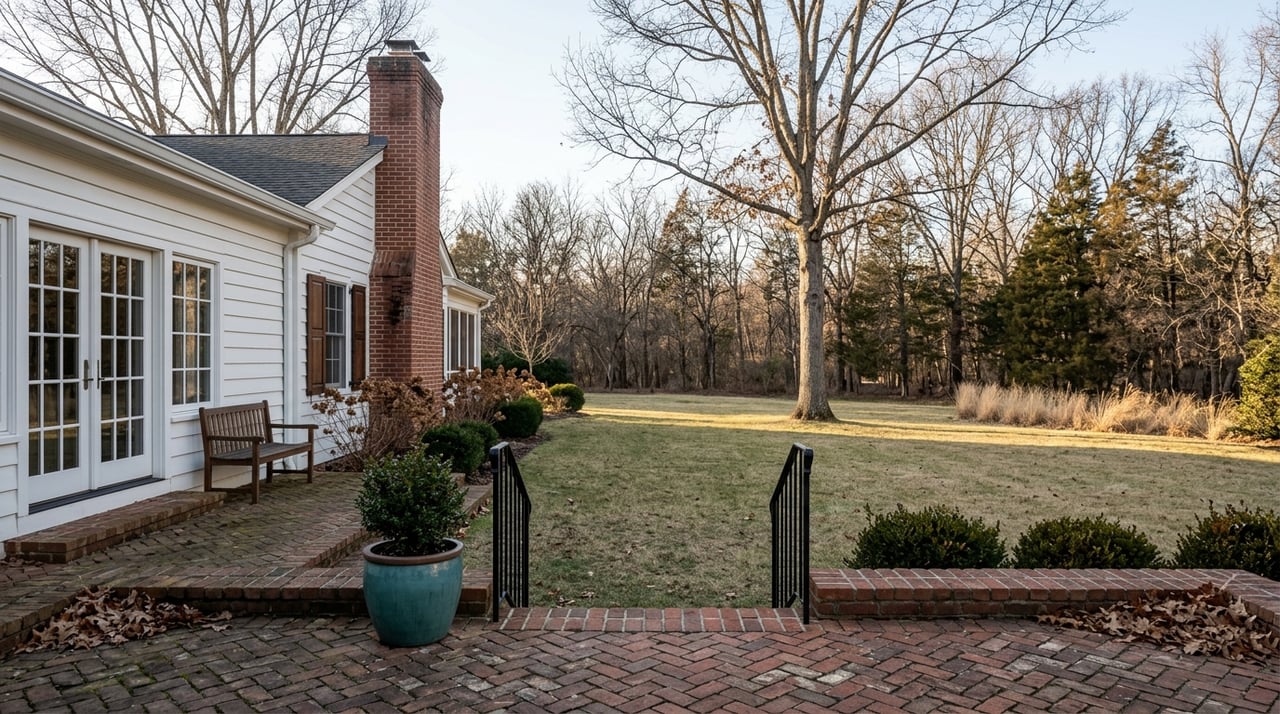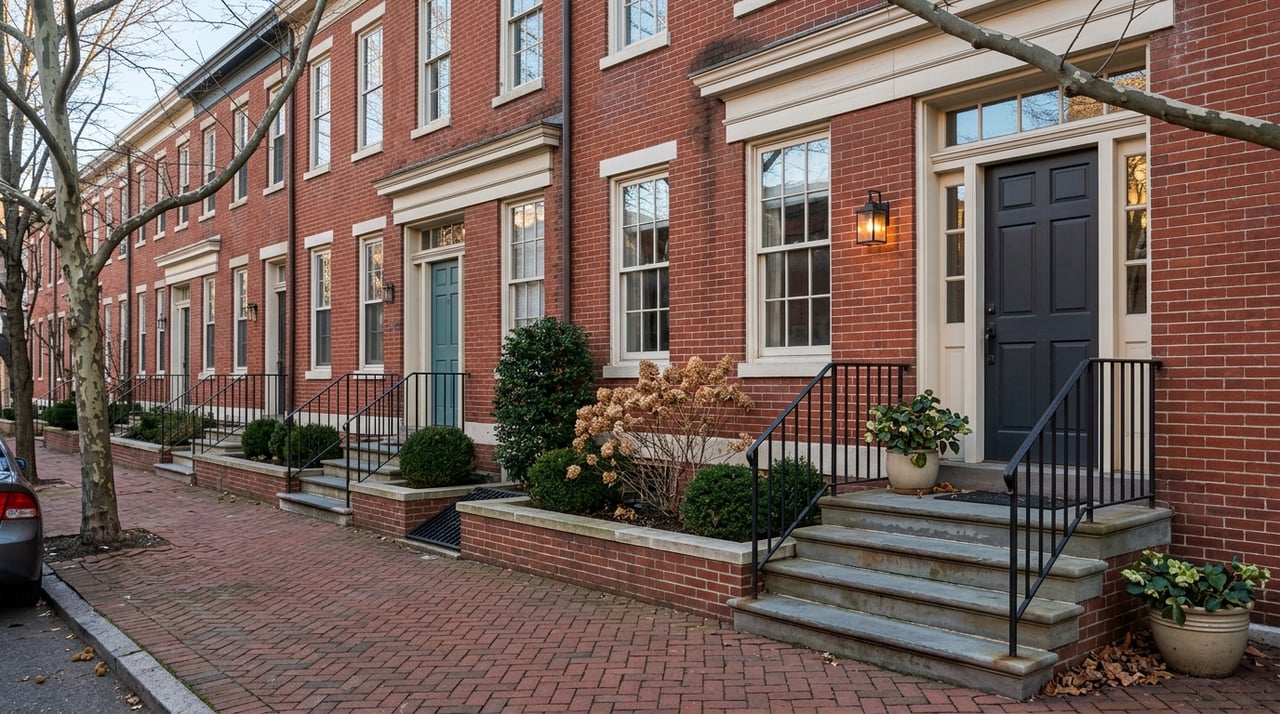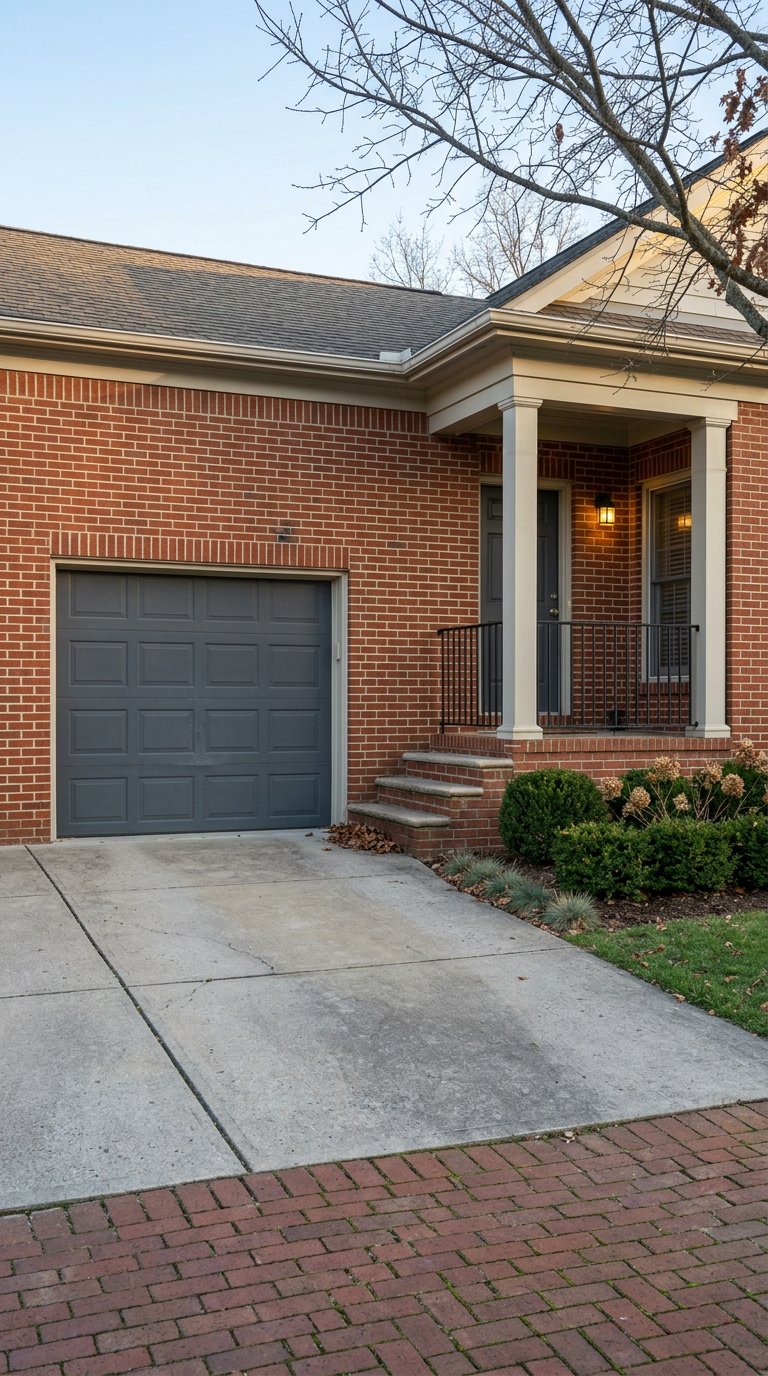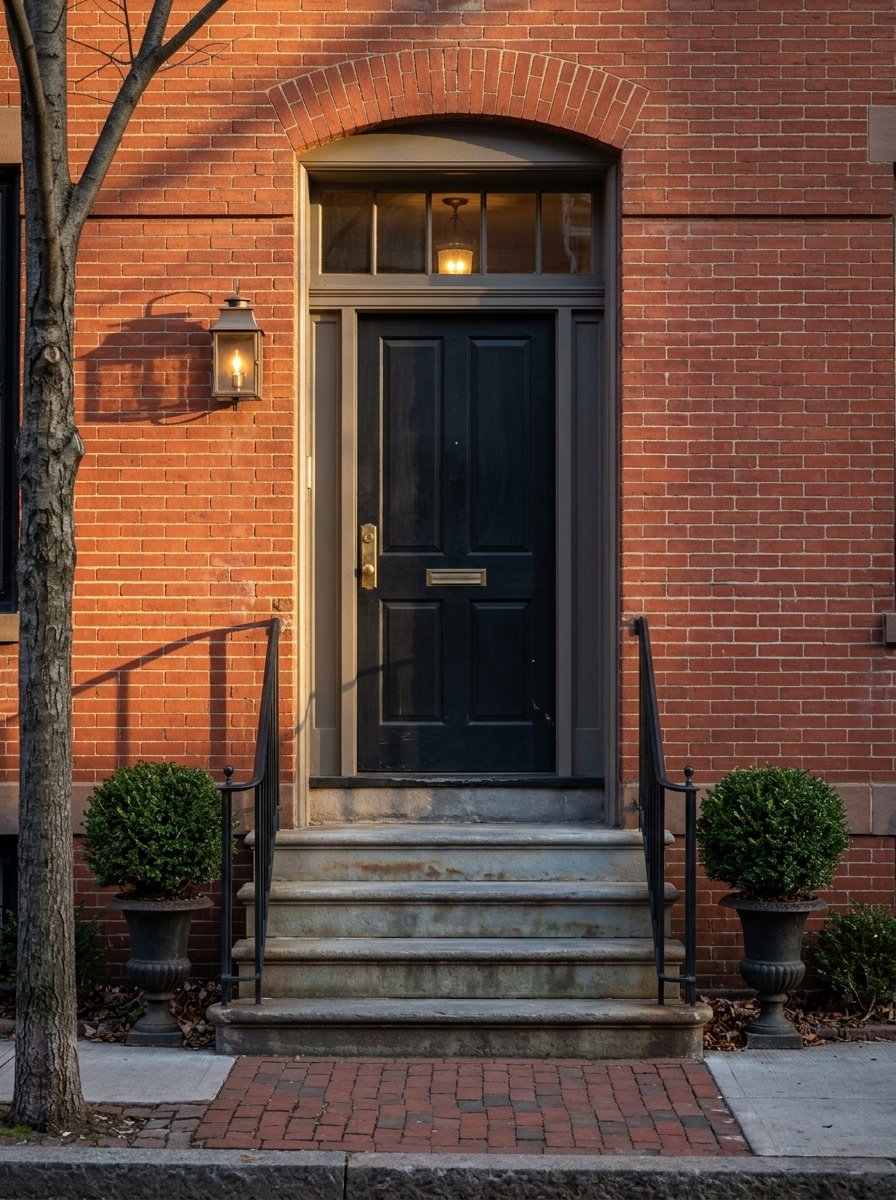
You love the brick facades, deep porches, and old‑world character that make The Fan feel special. Owning a historic townhouse here can be incredibly rewarding, but it comes with unique rules, inspections, and maintenance you do not face in newer homes. In this guide, you will learn what to check before you buy, how Richmond’s review process affects exterior projects, and how to budget wisely for repairs. Let’s dive in.
What makes Fan homes unique
The Fan grew rapidly between the 1890s and 1930s and is recognized as a state and national historic district. Many streets are lined with brick townhouses in styles like Italianate, Queen Anne, Colonial Revival, and American Foursquare, often with original wood windows, decorative trim, and slate or tile roofs. You can read more about the neighborhood’s history and architecture in the Virginia Department of Historic Resources listing for the Fan Area.
- The Fan’s era and styles: Learn the historical context and building types in the state register entry for the Fan Area historic district.
- Why it matters: Materials like brick masonry, slate roofing, and original wood windows define the look of the neighborhood. They also influence how you repair the home and which specialists you hire.
How Richmond’s review rules affect your plans
If your future Fan home sits inside one of Richmond’s local Old & Historic Districts, many exterior changes visible from the street need city review before permits. Richmond’s Commission of Architectural Review (CAR) issues Certificates of Appropriateness (COAs) and uses the city’s design guidelines and the Secretary of the Interior’s Standards to guide decisions. Plan for review time and build it into your renovation schedule if you plan visible exterior work.
- Start with the source: Review the city’s overview of Richmond’s Commission of Architectural Review and COA process.
- Administrative vs. full review: Some small items may be approved by staff, such as painting, storm windows, gutters, and certain porch repairs. Larger projects often require a full CAR application and a public meeting.
- Not all of The Fan is locally regulated: The Fan is large, and local historic zoning does not cover every block. Always confirm if your specific address is inside a City Old & Historic District before you assume review rules apply.
Practical steps:
- Before you write an offer, ask planning staff or check the city map to verify whether the address is inside a local Old & Historic District.
- Ask the seller or listing agent for any prior COAs and CAR decisions. This reveals what has been approved and what standards the property has already met.
- If you plan changes like a new porch, window replacement, a visible addition, or a front‑yard fence, budget for the COA application, design time, and meeting schedules.
Must‑have inspections for Fan townhouses
Historic homes reward careful due diligence. Order a thorough inspection by a pro who understands older buildings, and then add specialist evaluations as needed. Industry guidance notes that these homes benefit from deeper, system‑specific checks and a longer inspection window. See the InterNACHI guide to historic homes for context.
High‑priority checks:
- General home inspection: Choose an inspector familiar with late‑19th and early‑20th century construction. Ask for extra time on site and a clear list of specialty follow‑ups.
- Electrical evaluation: Look for knob‑and‑tube, fuse panels, undersized service, and grounding issues. Some insurers restrict or surcharge coverage for legacy systems.
- Plumbing and sewer: Older galvanized, cast‑iron, or clay lines may be at or near end of life. A sewer‑scope of the lateral is a smart, low‑cost way to avoid surprise dig‑ups later.
- Roof and chimney specialist: Many roofs in The Fan are historic slate or have vintage flashings. Have a slate‑experienced roofer and a chimney pro evaluate condition, flashing, and the need for repointing or relining.
- Masonry and foundation: Brick and mortar need compatible repair methods. Hard, modern mortars can damage historic brick. NPS preservation guidance favors compatible mixes and careful repointing.
- Windows: Original wood sash often respond well to repair, weather‑stripping, and storms. Preservation guidance encourages repair and retrofit before replacement when feasible. See this window preservation resource for practical examples and benefits.
- Lead‑based paint: For pre‑1978 homes, sellers must disclose known hazards and provide the EPA/HUD pamphlet. If you plan renovation that disturbs paint, follow the EPA’s RRP lead‑safe rules. Learn more from the EPA’s lead resources.
- Asbestos: Older materials like floor tiles, pipe insulation, and some ceilings may contain asbestos. Test suspect materials before disturbing them and use licensed abatement as needed. The EPA details legacy asbestos uses and protections.
- Radon: Richmond and Henrico are considered moderate risk, and testing is recommended during your inspection window. The Richmond and Henrico Health Districts encourage radon testing.
- Termite/WDI: Order a wood‑destroying insect report. Older porches and basements are common risk areas, and many loans require it.
Inspection logistics tips:
- Ask your general inspector to flag specialty follow‑ups like electrical, structural engineering, sewer‑scope, lead and asbestos lab tests, radon, and chimney.
- Build extra time into your contract to complete specialty reports and get realistic estimates from qualified trades.
Repair and maintenance priorities
Every house is different, but Fan townhouses often follow a similar maintenance arc. The goal is to prevent water intrusion, address safety issues, and protect historic materials.
Short‑term priorities after closing:
- Fix active leaks, clean and repair gutters and downspouts, and correct grade to move water away from the foundation.
- Address immediate electrical safety hazards and service or replace failing mechanicals.
- Stabilize failing porch elements and remediate active termite damage quickly.
Medium‑term projects in the first 1 to 5 years:
- Roof repairs, flashing, or partial replacement, especially on slate roofs with aging valleys or penetrations.
- Chimney repointing and relining where needed.
- Selective masonry repointing on facades and garden walls. Follow preservation best practices and use compatible mortar to protect historic brick.
- Plumbing upgrades where galvanized piping remains.
Long‑term planning beyond 5 years:
- Preservation‑grade work like full roof re‑slating, in‑kind window restoration if deferred, targeted masonry replacement, and structural stabilization if revealed by inspections.
Helpful reference on masonry methods: This construction specification set reflects National Park Service preservation standards for compatible mortar and repointing techniques. Review the NPS‑based guidance included in these specifications before you solicit bids.
Budget, insurance, and financing notes
Historic materials often require specialized trades. That can change cost ranges and timelines. For example, slate work, historic‑match windows, and scaffolded masonry repointing are usually pricier than basic replacements.
- Get multiple quotes from firms with documented historic experience. Ask for clear scopes, materials, and mock‑ups when applicable.
- Talk to your insurance agent early if the home has knob‑and‑tube wiring, an unlined chimney, very old roofing, or legacy systems. These can affect underwriting and premiums.
- Planning a larger certified rehabilitation? Virginia offers a Historic Rehabilitation Tax Credit that can apply to owner‑occupied properties when the project meets program thresholds and rules. Start with the Virginia DHR tax credit program page, and speak with DHR early in your design phase.
Where to get help locally
- City of Richmond CAR: Find the COA process, administrative approvals list, and meeting calendar on the CAR page. City staff can confirm if your address is under local review and advise on submittals.
- Virginia DHR: Read the Fan Area historic district entry for context and use the tax credit resources for rehabilitation planning.
- Fan District Association: Explore neighborhood preservation context and local guidelines, which complement city rules and help set expectations with neighbors. Visit the Fan District Association’s preservation page.
A simple step‑by‑step plan
- Clarify your priorities: layout, parking, outdoor space, or renovation capacity. Decide what you can tackle in year one versus later.
- Verify local historic status: confirm whether the home is in a City Old & Historic District and what that means for your plans.
- Schedule the right inspections: line up a historic‑savvy general inspection plus electrical, sewer‑scope, roof and chimney, masonry, window, lead, asbestos, radon, and WDI as indicated.
- Price the work: obtain quotes from preservation‑experienced trades. Ask for phased options when possible.
- Plan approvals and timing: if exterior work is visible from the street, build COA lead time into your schedule.
- Explore incentives: if considering a larger rehab, review Virginia’s historic tax credit requirements early.
You do not have to figure this out alone. Our team guides you through inspections, approvals, and contractor selection so you can buy with confidence and keep your home’s character intact. If you are considering a move in The Fan, reach out to Michela Worthington to map your buyer plan.
FAQs
What does Richmond’s CAR review mean for a Fan home buyer?
- If the property is inside a City Old & Historic District, most exterior changes visible from the street need a Certificate of Appropriateness before permits, so plan time for applications and possible meetings.
Can I replace original windows in a Fan townhouse?
- Often you can repair original wood sash for better function and efficiency, and preservation guidance generally favors repair or in‑kind replacement; check local rules and consider storms and weather‑stripping first.
Do I really need a sewer‑scope for a century‑old house?
- Yes, older cast‑iron or clay laterals can have roots, offsets, or collapses, and a camera scope is a relatively low‑cost way to prevent surprise replacement bills.
How are lead paint and asbestos handled in older Richmond homes?
- Expect lead in pre‑1978 paint and possible asbestos in some older materials, so test before disturbing and follow EPA lead‑safe work and licensed abatement where required.
Is radon a concern in The Fan?
- Richmond and Henrico are considered moderate risk, which is why local health officials recommend testing during your inspection period and mitigating if levels exceed federal guidance.