If you want a Richmond neighborhood where you can grab coffee, stroll to a park, and come home to a rowhouse street with real history, Church Hill deserves a close look. For many buyers, the appeal is not just the homes. It is the daily rhythm of living somewhere that feels connected, walkable, and distinctly local. In this guide, you’ll get a clear picture of what walkable Church Hill living actually looks like, from cafés and green spaces to housing style and current price context. Let’s dive in.
Why Church Hill Feels Walkable
Church Hill is one of Richmond’s oldest residential neighborhoods, and that history still shapes how the area lives today. According to the Church Hill Association, the neighborhood offers excellent walkability to shops and restaurants, quick access to the river and cycling trails, and an easy connection to Downtown.
That walkable lifestyle is not just a vague selling point. From the association’s Broad-and-25th reference point, Downtown is about a 19-minute walk and the Capital Trail is about a 10-minute walk. If you want a neighborhood where errands, coffee runs, and weekend plans can happen without a long drive, Church Hill stands out.
Cafés and Dining Close to Home
One of the biggest draws of Church Hill is how much of the food and coffee scene is woven into the neighborhood itself. The Church Hill Association highlights more than 20 restaurants in the area, including long-time favorites and newer destination spots.
That mix matters when you picture daily life. Instead of needing to plan around a car trip, you can often step outside and choose from coffee, brunch, bakery stops, or dinner within a short walk.
Coffee and Bakery Stops
If your ideal morning starts with a neighborhood coffee run, Church Hill gives you options. Sub Rosa Bakery on North 25th Street is one of the area’s best-known bakery stops, while Riverbend Roastery on East Broad Street offers a coffee café setting and also sells beans by the pound.
These are the kinds of places that help define the neighborhood’s pace. They support a lifestyle where grabbing breakfast or meeting a friend for coffee can feel simple and close to home.
Neighborhood Restaurants
Church Hill also has a strong lineup of neighborhood dining options. The association points to spots such as The Hill Café, Millie’s, The Roosevelt, Grisette, Alewife, 8 1/2, Pizza Bones, Whisk, Alamo BBQ, Inner City Blues, Union Market, Rise Cafe, and Kahlo’s Cantina.
A good example is The Hill Café, which describes itself as Church Hill’s original neighborhood café and has been in the neighborhood since 1989. Located at 2800 E. Broad St., it also offers full-service patio seating. That kind of staying power adds to the feeling that Church Hill’s dining scene is part of everyday life, not just a collection of weekend destinations.
Parks and Outdoor Spaces
Walkability means more than restaurants and shops. It also means having nearby places where you can get outside, take a break, or build a routine around fresh air and open space.
Church Hill delivers that with a few well-known public spaces that help define the neighborhood.
Chimborazo Park
Chimborazo Park is a major part of Church Hill’s outdoor appeal. The City of Richmond describes it as a 30-acre city park with a 180-foot city view, and it is also home to the National Battlefield Park headquarters, a miniature Statue of Liberty, and a dog park with separate areas for large and small dogs.
For buyers thinking about day-to-day lifestyle, that range of amenities matters. A larger park nearby can support morning walks, dog outings, casual meetups, and a little breathing room in the middle of city living.
Libby Hill and Jefferson Park
Libby Hill is one of the neighborhood’s signature landmarks. The Church Hill Association connects Richmond’s name to the view from Libby Hill, and the City has described preservation of the James River view from Libby Hill Park as a major public-interest concern in riverfront planning.
Nearby, the City also lists Jefferson Park Playground at 1921 Princess Anne Avenue as another neighborhood green-space option. Together, these spaces help make Church Hill feel layered and livable, with places to gather, walk, or simply enjoy the view.
Community Garden Culture
Outdoor life in Church Hill is not limited to parks alone. The City’s community gardens page notes that the Chimborazo Playground Community Garden sits on the edges of Chimborazo Playground and includes more than 20 plots maintained by local gardeners.
That detail says something useful about the neighborhood. Church Hill is not just scenic. It also shows signs of local stewardship and everyday community involvement, which can shape how a place feels once you live there.
Rowhomes and Historic Character
For many buyers, Church Hill’s housing stock is the main event. If you are drawn to older brick homes, rowhouse blocks, and architecture with variety, this neighborhood offers a lot to explore.
The character here is not based on uniform new construction. It is tied to preservation, age, and a streetscape that has evolved over centuries.
What Homes Look Like Here
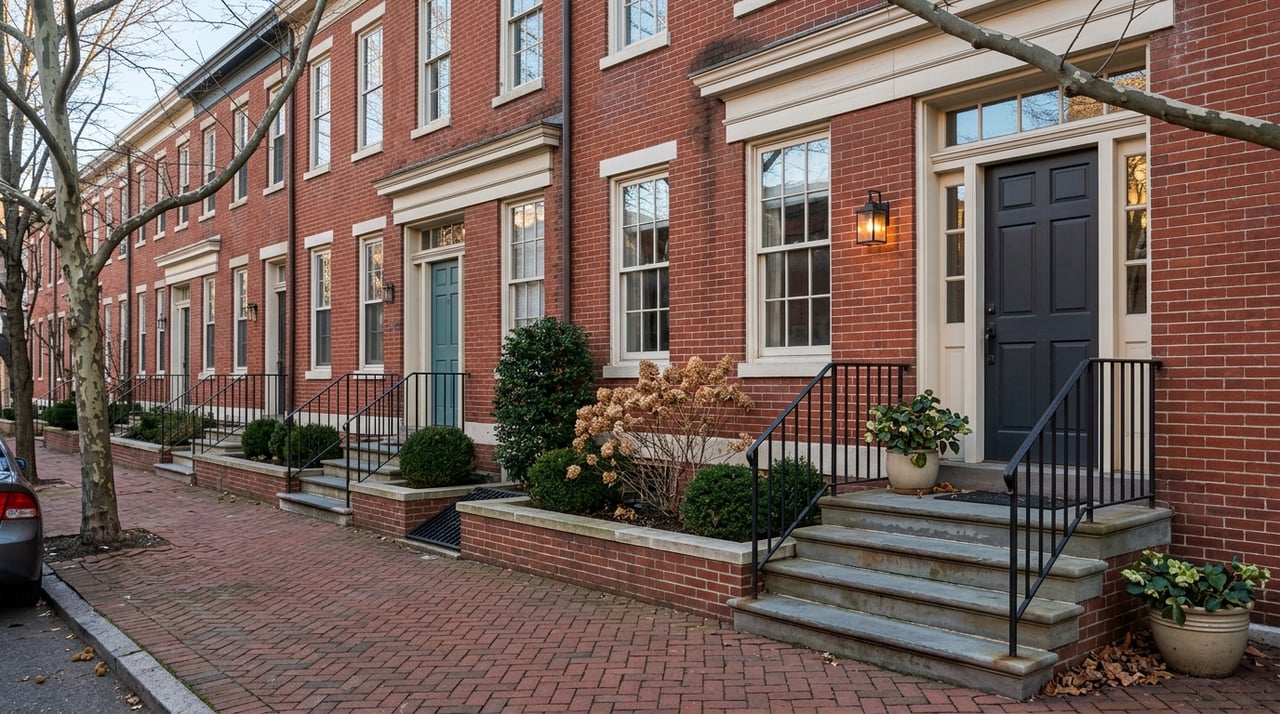
The Virginia Department of Historic Resources describes Church Hill North as a 25-block area lined with tightly spaced town houses that were originally laid out in the 1780s. The district includes surviving Federal-style houses along with Italianate, Greek Revival, Gothic Revival, Classical Revival, Colonial Revival, Queen Anne, Second Empire, Art Deco, and Bungalow/Craftsman examples.
In practical terms, that means you will see real variety from block to block. Some homes have been extensively renovated, while others retain more traditional layouts and finishes. You can also expect the historic rowhouse pattern and older brick streetscapes that give Church Hill much of its visual identity.
Why Preservation Matters
Richmond’s preservation framework plays a major role in how Church Hill looks and feels today. The City says the St. John’s Church Old and Historic District was created in 1957 to preserve the neighborhood surrounding the church, and Church Hill North is recognized as a National Register historic district.
For buyers, that helps explain why the neighborhood feels distinct. The historic character is not accidental. It has been protected over time, which supports the appeal of Church Hill for people who want a home with architectural texture and a sense of place.
What Price Context Looks Like
When you start browsing Church Hill homes, you will likely notice that pricing can look inconsistent from one source to another. That is normal, because different platforms measure different things.
The research points to a broad current range rather than one exact number. Redfin reported a February 2026 median sale price of $590,000 for Church Hill, while Zillow reported an average home value of $500,171 as of 2/28/2026. Realtor.com reported a median list price of $625,000 and a 99% sale-to-list ratio in February 2026.
Why Prices Vary by Pocket
One of the most important things to understand is that Church Hill is not one uniform pricing zone. Realtor.com’s neighborhood breakdown shows Church Hill North at $434,950, Chimborazo at $574,900, St. Johns Church at $612,450, and Church Hill North Historic District at $649,475.
That spread tells you a lot. In Church Hill, value often depends on the specific block, renovation level, home size, and whether the property sits within a historic-district context. If you are comparing homes here, it helps to look closely at the micro-location instead of relying on one broad neighborhood number.
Who Church Hill May Fit Best
Church Hill can be a strong match if you want a neighborhood where lifestyle and housing character are closely connected. You may especially appreciate it if your ideal day includes walking to coffee, spending time in nearby parks, and living in a home with architectural history.
It can also be a smart area to explore if you value proximity to Downtown without giving up neighborhood identity. With access to local restaurants, public green spaces, and recognizable historic streetscapes, Church Hill offers a style of Richmond living that feels both practical and rooted.
How to Shop Church Hill Strategically
If you are serious about buying in Church Hill, it helps to go in with a neighborhood-specific plan. Historic housing stock, pocket-to-pocket pricing differences, and varying levels of renovation all make this area more nuanced than a quick online search might suggest.
A smart approach usually includes:
- Narrowing down which part of Church Hill best fits your budget and lifestyle
- Comparing homes by block, condition, and renovation quality
- Looking beyond headline price points to understand value in context
- Factoring in walkability to the places you expect to use most often
- Paying attention to historic character and how it shapes the feel of each street
If you are thinking about a move in Church Hill, working with a local team that knows how the neighborhood changes from one pocket to the next can make your search much more efficient. When you are ready for a buyer plan or want to talk through Church Hill home values, connect with Michela Worthington for practical, neighborhood-focused guidance.
FAQs
How walkable is Church Hill in Richmond?
- According to the Church Hill Association, from Broad and 25th, Downtown is about a 19-minute walk and the Capital Trail is about a 10-minute walk, with easy access to neighborhood shops and restaurants.
What kinds of homes are common in Church Hill?
- Church Hill is known for historic townhouses, rowhome-style streetscapes, and older brick homes, with architectural styles that include Federal, Italianate, Greek Revival, Queen Anne, and more.
What parks are located in or near Church Hill?
- Chimborazo Park, Libby Hill Park, and Jefferson Park Playground are key outdoor spaces tied to Church Hill living, with views, open space, and neighborhood amenities.
What is the current price range for Church Hill homes?
- Current market context suggests a broad range from the low $500,000s to the mid $600,000s, while specific homes and subareas can fall outside that range depending on location and condition.
Are there coffee shops and restaurants in Church Hill?
- Yes. Church Hill has a strong neighborhood food scene with more than 20 restaurants noted by the Church Hill Association, plus well-known local stops like Sub Rosa Bakery, Riverbend Roastery, and The Hill Café.