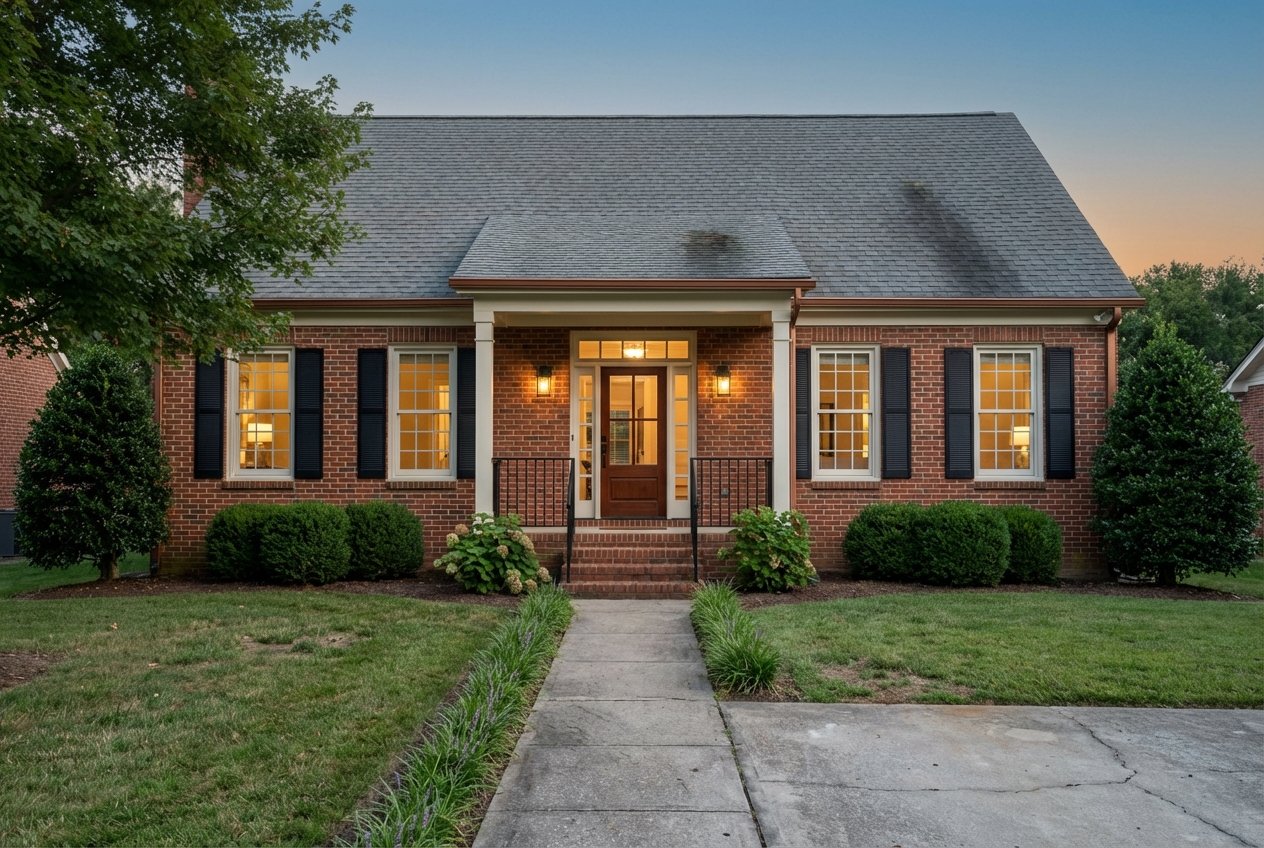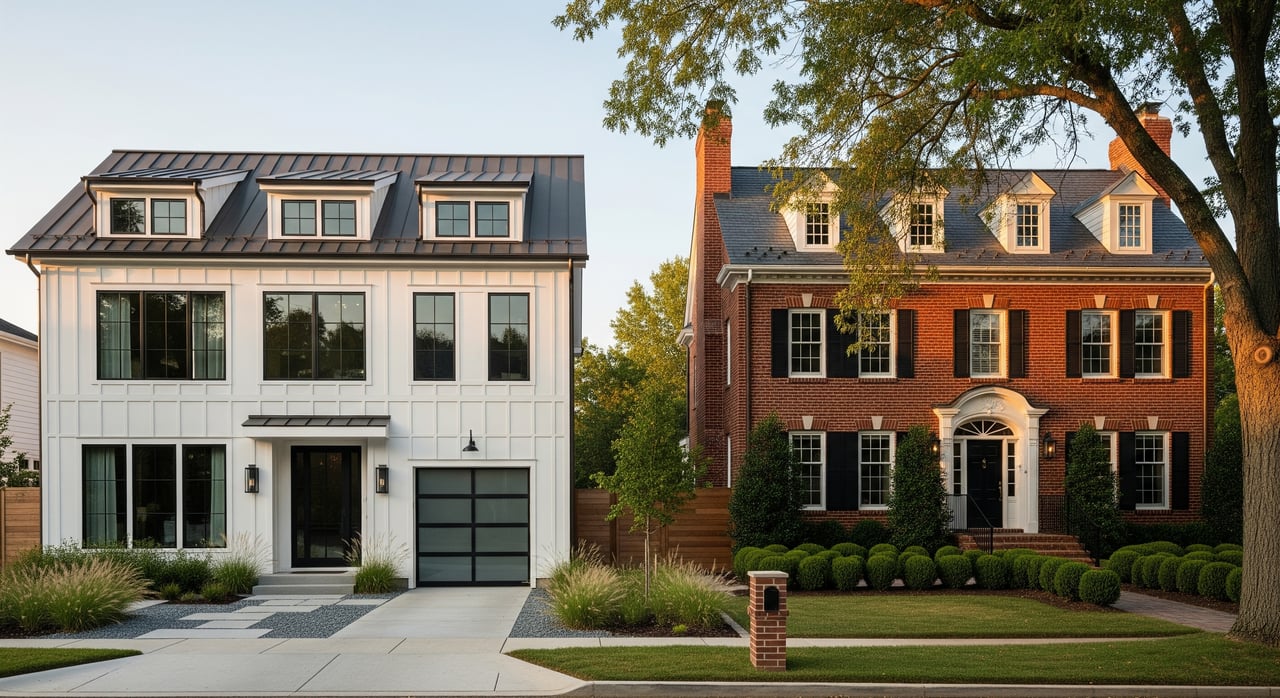
Thinking about buying in Short Pump and stuck between a shiny new build and a well-loved resale? You are not alone. With so many master-planned communities and established neighborhoods nearby, the choice can feel overwhelming. In this guide, you will learn how each option stacks up on cost, timing, inspections, HOA rules, and long-term value specifically in Short Pump. Let’s dive in.
How Short Pump fits your plan
Short Pump sits in western Henrico with quick access to I-64, I-288, and I-295, and has wide range of shopping and dining. You will find both newer subdivisions like Greengate, Shire Walk and Gayton Village and older, established neighborhoods like Wyndham, West Broad Village, and Wellesley, so you can match your lifestyle to the right pocket. Many buyers here prioritize commute routes, proximity to everyday amenities, and awareness of Henrico County public school boundaries. With both new development and resale inventory active, you can compare real choices side by side.
New construction: what you get
Modern layouts and finishes
New builds often feature open concept plans, larger kitchens, additional bathrooms, and integrated tech wiring, even Nana Walls. You can expect contemporary finishes and builder-curated design packages that make move-in simple.
Lower upkeep at first
With brand-new systems and appliances, you typically face fewer immediate repairs and lower operating costs if the home meets current codes and energy standards. Roofs, HVAC, and water heaters should be at the start of their useful lives.
Customization choices
You can select finishes, lot orientation, and certain structural options depending on the builder’s timeline. Keep in mind that design upgrades and lot premiums add to the final price.
Incentives and pricing
Builder list prices can be firm, but it is very common to see incentives such as closing cost help, rate buydowns, or included upgrades. The final number depends on your selections, the builder’s current inventory and your real estate advisor's ability to negotiate on your behalf.
Resale homes: what you get
Mature lots and style variety
Resale neighborhoods in Short Pump often offer mature trees, completed amenities, and diverse architecture. You can better understand long-term traffic patterns and community character.
Update potential and budgeting
Older homes may need system updates or renovations. You can tailor improvements after closing, but factor in time, permits, contractor availability, and HOA rules where applicable. Michela Worthington has a full bench of vetted, licensed contractors that can turn your vision into reality.
Negotiation flexibility
Resale pricing and terms are influenced by days on market and seller goals. Inspection repairs or credits are common negotiation levers that can improve your bottom line.
Timeline and process
Build vs resale timing
If you are building from scratch, expect a multi-month process. Some builders offer quick move-in homes that shorten the timeline. Resale purchases usually close in 30 to 60 days depending on financing and contingencies.
Financing and appraisals
Builders sometimes partner with preferred lenders and tie incentives to using them. Appraisals on new construction can be sensitive if there are few comparable sales. Resale appraisals typically rely on recent sales in the neighborhood and are often more straightforward when comps are available.
Inspections and walk-throughs
Even with new construction, get independent inspections at key stages, such as pre-drywall and before closing. For resales, plan for a full home inspection and specialty checks as needed. Findings often guide negotiations.
Warranties and protection
New homes often come with builder warranties that cover workmanship, systems, and structural elements for set periods. Review coverage and claim processes in writing. Resale homes do not include builder warranties by default, though some sellers offer a one-year home warranty or you can purchase one yourself.
Short Pump factors to weigh
Traffic and future build-out
New communities may deliver amenities in phases and can experience road congestion as areas grow. Evaluate planned commercial sites, commuting routes, and future phases that could affect long-term livability.
HOAs and community rules
Many newer Short Pump developments have HOA covenants that set design guidelines, amenity fees, and rental rules. Read CC&Rs closely so you know what is allowed and what it costs.
Schools and zoning checks
School assignments matter to many buyers and can change over time. Confirm current Henrico County Public Schools boundaries and review county zoning and land use to understand what may be built nearby.
Builder reputation
Quality and warranty responsiveness vary by builder. Model homes can help you evaluate finishes and craftsmanship. Consider reviews, licensing, and customer service history before you commit.
Quick compare checklist
- Budget and total cost
- New build: base price, design upgrades, lot premiums, HOA fees, taxes, insurance.
- Resale: purchase price, immediate repairs or renovations, HOA fees, taxes, insurance.
- Timeline needs
- Need to move fast? Look for quick move-in new homes or resales with flexible closings.
- Long-term plans
- Shorter ownership may change the ROI on upgrades or major renovations.
- Location specifics
- Commute routes, access to retail, traffic patterns, and current school boundaries.
- Builder due diligence for new construction
- Warranty terms and claim process, track record, inspection checkpoints including pre-drywall.
- Resale due diligence
- Full inspection, permits for past work, maintenance records, and seller disclosures.
- Insurance and taxes
- Replacement cost estimates can differ on new builds. New homes may be assessed differently at first compared to long-established properties.
If you are selling first
In neighborhoods competing with new construction, pricing and presentation matter. Buyers respond to clean, move-in ready interiors and updated systems. Decide whether pre-listing updates or a price adjustment will position you best against new-build options. If you plan to buy new after you sell, coordinate the sale timeline with construction milestones or secure a temporary housing plan. OwnRVA’s concierge-style preparation, vendor coordination, and pay-at-close renovation options can help you list quickly and compete with new construction.
What makes sense for you?
Choose new construction if you value modern layouts, lower immediate maintenance, and the ability to personalize finishes. Choose resale if you prefer mature lots, faster timelines, and more room to negotiate. Either way, make your decision based on total cost, timing, due diligence, and how each home fits your daily life in Short Pump.
Ready to compare specific homes and communities side by side? Get a local plan tailored to your move with Michela Worthington at Michela Worthington.
FAQs
Is new construction always pricier in Short Pump?
- Often it is higher per square foot before incentives and upgrades, but your total cost depends on selections, lot premiums, and current builder offerings.
How long does a Short Pump new build take?
- Building from scratch typically takes several months, while completed inventory homes can close sooner depending on your loan and title timeline.
Do I need inspections on a new home?
- Yes. Schedule independent inspections at key stages, including pre-drywall and a final inspection, in addition to the builder’s walk-throughs.
How do builder incentives work?
- Builders may offer closing cost help, rate buydowns, or upgrades, sometimes tied to preferred lenders; review the terms and overall value.
How do appraisals differ for new builds?
- New construction appraisals rely on comparable new sales; limited comps can create challenges compared to resales in established neighborhoods.
What should I know about HOAs in new communities?
- Review CC&Rs for design rules, amenity fees, rental policies, and approval processes so your plans align with community standards.
How should I budget for resale renovations?
- Obtain contractor estimates during your inspection period, prioritize systems and kitchens or baths, and factor time, permits, and contingencies into your budget.
Would you like professional guidance on evaluating the best options to meet your goals? Contact Michela Worthington, your local, trusted real estate advisor today!