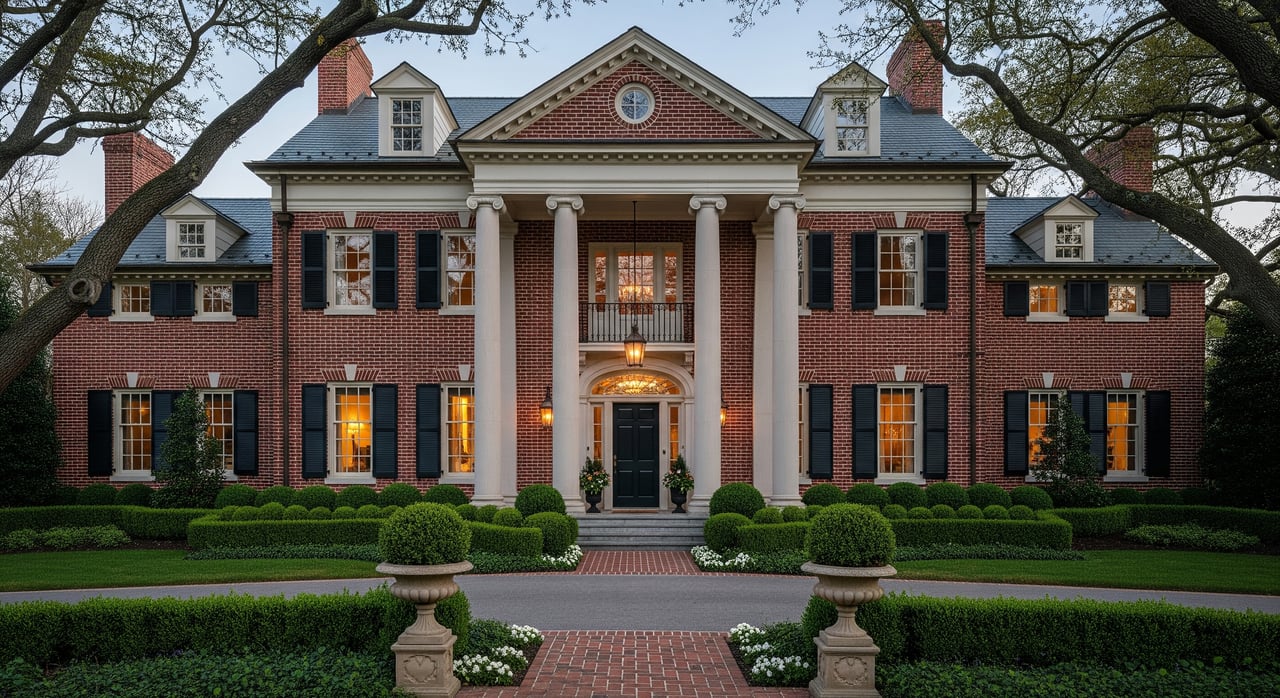
Thinking about selling your Windsor Farms home, but not sure where to start? You know buyers are looking for something special here: quality, authenticity, privacy, and polished presentation. The good news is you can deliver all of that with a clear, preservation-smart plan that protects your time and maximizes your net proceeds. In this guide, you’ll learn exactly how to prepare over 6 to 18 months, which upgrades matter most, and how concierge and pay-at-close options can make the process easier. Let’s dive in.
Why Windsor Farms sellers need a different plan
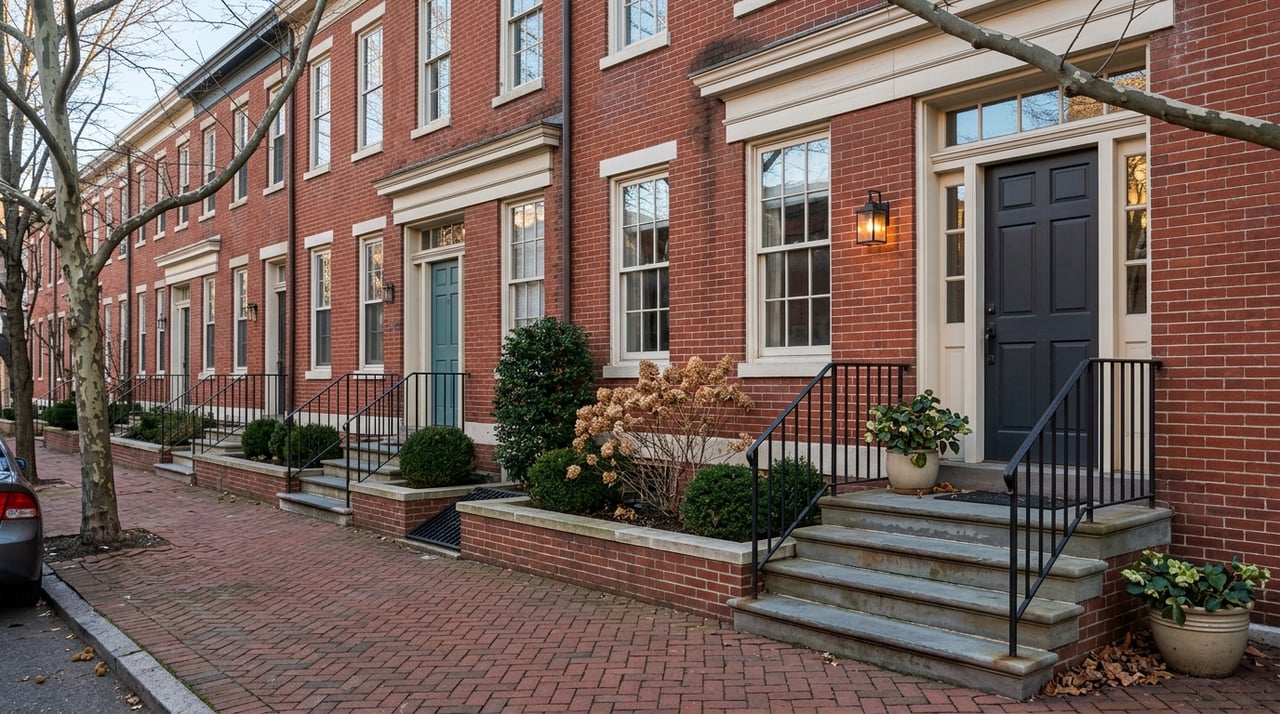
Windsor Farms is one of Richmond’s premier historic neighborhoods. Homes are architect-designed, set on generous lots, and surrounded by mature landscaping that frames each property’s character. Many homes include intact period details like millwork, fireplaces, and original windows that today’s luxury buyers value.
Because of this history, you should approach preparation with care. Exterior work and certain alterations may require review or approvals from local preservation authorities. Always confirm City of Richmond historic district rules and any deed restrictions before changing exteriors or landscapes. If your home was built before 1978, federal law requires lead-based paint disclosures, along with the EPA pamphlet for buyers.
Buyers in this pocket tend to prioritize high-quality finishes, well-documented systems, and sympathetic updates that respect the home’s architecture. Preserving period details while polishing the presentation usually supports stronger perceived value.
A 6 to 18 month roadmap to market readiness
A thoughtful timeline reduces surprises and spreads investment across what matters most. Here is a proven, three-phase plan for Windsor Farms sellers.
Phase A: 6 to 18 months out — diagnostic assessment
Start with a clear picture of condition and context.
- Schedule a full pre-listing inspection. Choose inspectors experienced with older and historic homes for roofing, HVAC, electrical, plumbing, and crawlspace or basement.
- Create an architectural features inventory. Document original elements like millwork, mantels, flooring, windows, and note any non-original changes. Photos help your listing story and disclosures.
- Review landscaping and site conditions. Assess tree health, drainage, driveway, walls, and hardscapes, especially where large trees or mature hedges shape privacy and sightlines.
- Check title, deed, and restrictions. Identify any covenants, easements, or historic overlay requirements early so you can plan approvals without delaying your launch.
Phase B: 4 to 12 months out — priorities and approvals
Work from safety and trust-building items to high-impact polish.
- Safety and systems first. Address structural items, roof repairs, electrical safety and grounding, knob-and-tube replacement if present, plumbing leaks, and failing HVAC. Buyers pay a premium for well-maintained systems and clear documentation.
- Compliance and disclosures. Prepare required lead-based paint disclosures for pre-1978 homes. Confirm permits and any historic approvals for exterior or major interior work.
- High-impact cosmetic updates.
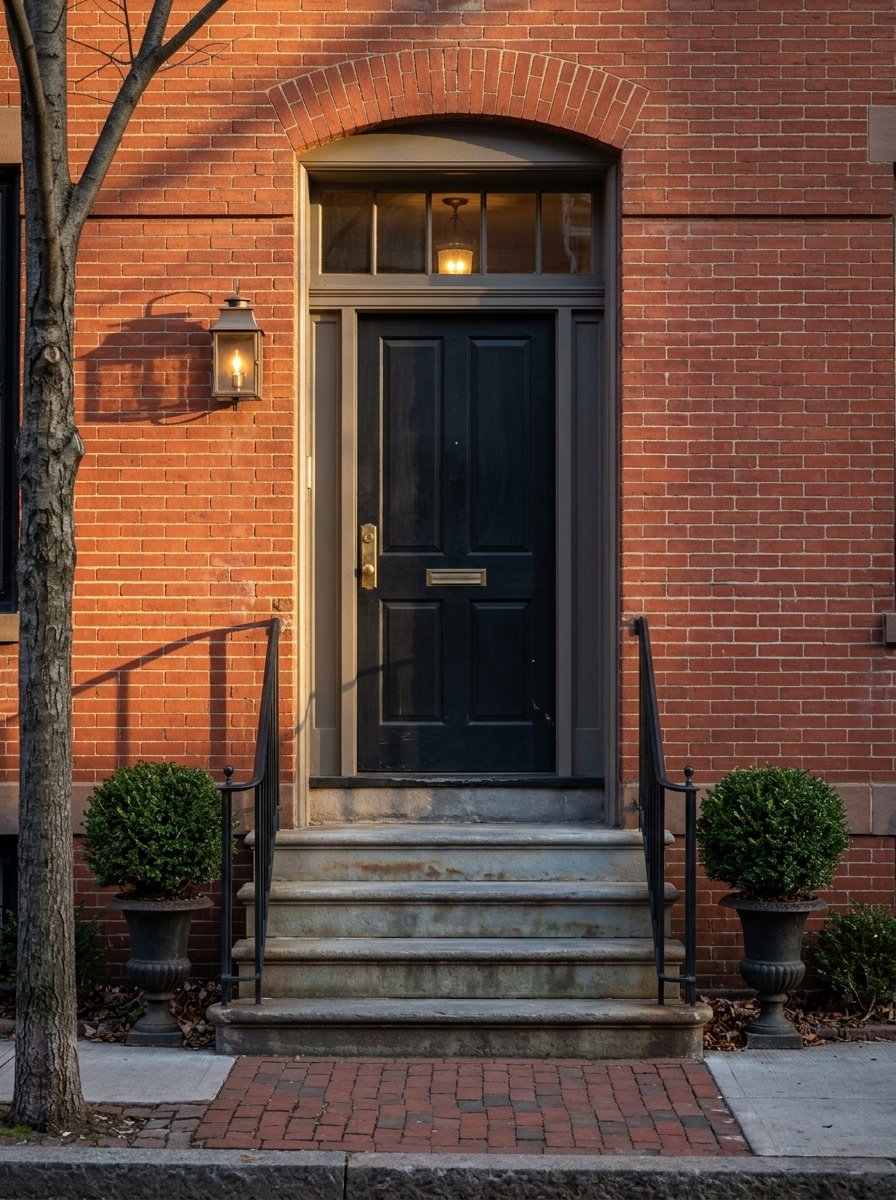
- Exterior: professional pruning, landscape clean-up, path and porch repairs, accent lighting, and a refined front entry. Small touches like updated hardware and address numbers can lift first impressions.
- Interior: neutral paint, refinished hardwoods where needed, and careful repair of period details. Favor restoration over replacement when possible.
- Kitchen and primary bath strategy. Luxury buyers focus here. If a full gut is not necessary, a targeted refresh can outperform a major overhaul on net return. Think high-quality appliances, durable stone or engineered stone counters, sympathetic cabinetry, timeless tile, improved lighting, and better ventilation.
Phase C: 1 to 2 months out — staging and launch prep
Dial in presentation and logistics so you hit the market strong.
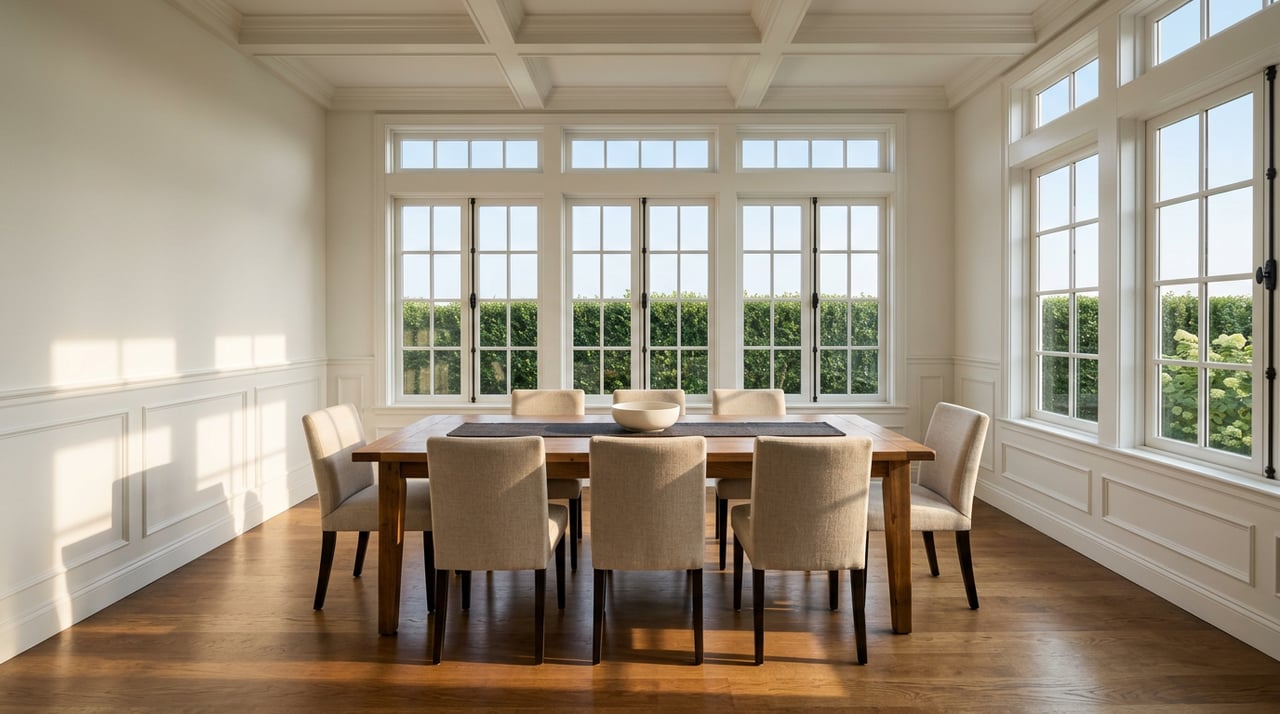
- Staging: Full or partial staging should highlight flow and period features. In Windsor Farms, think tailored, not trendy.
- Visual assets: Book high-end photography, including daylight, twilight, and, if appropriate, drone shots to showcase lot, gardens, and rooflines. Add a floor plan or virtual tour.
- Mechanical tune-ups and deep cleaning: Service fireplaces and chimneys if they will be used during showings, clean windows inside and out, and refresh carpets and area rugs.
Smart upgrades that fit Windsor Farms
Right-sizing improvements to your home and the neighborhood prevents over-spending while lifting appeal.
High-ROI, preservation-aware improvements
- Systems and safety: Updated HVAC with zoning where feasible, modernized electrical, and roof repairs or replacement using compatible materials.
- Curb appeal and landscape: Thoughtful restoration of gardens, preservation of mature trees, refreshed pathways, porch repairs, and tasteful uplighting for specimen trees.
- Kitchen upgrades: High-end appliances, quality counters, sympathetic cabinetry, and classic hardware and lighting. Skip hyper-trendy colors or finishes that fight the home’s style.
- Primary bath refresh: Timeless tile, upgraded fixtures, excellent lighting, improved ventilation, and water-heater capacity that matches household needs.
- Window restoration: Repair and weather-strip original sashes where possible. If replacement is required, select historically compatible profiles.
What to avoid or handle with caution
- Full contemporary gut remodels that erase period character when neighborhood comps favor original detail.
- Overbuilding with additions that outsize nearby comparables or create a mismatch in use and scale.
- “Luxury” finishes that do not hold up in a million-dollar context, such as flimsy cabinetry or low-grade counters.
- Over-customization with eccentric built-ins or bold palettes that narrow buyer appeal.
Decide with data, not guesswork
- Comparative Market Analysis: Measure ideas against top Windsor Farms comps. Note which improvements supported higher prices.
- Cost vs. net proceeds: Weigh renovation costs, likely price uplift, and transaction expenses to project net return. If the spend required to chase top-of-market finishes is too high, shift to a lighter refresh and highlight authenticity.
- Preservation value: Buyers often pay more for original elements in excellent condition. Restoration can produce high trust and strong offers at a lower renovation cost.
Concierge and pay-at-close options
You have more than one way to prepare. Understanding models upfront helps you choose the right path for your timeline and cash flow.
- Full concierge project management: One point of contact coordinates inspections, contractors, staging, photography, cleanup, and reporting. Ideal if you want hands-on guidance with minimal friction.
- Pay-at-close renovation programs: A provider funds and manages pre-sale improvements, then gets paid from sale proceeds at closing. This can speed readiness without upfront cash. Programs typically focus on small to medium projects like painting, flooring, kitchen and bath refreshes, landscaping, and cleaning. Major structural additions are usually out of scope.
- Traditional contractor route: You hire and pay trades directly, with or without a dedicated project manager.
Pros include convenience, cash-flow flexibility, and a single point of accountability. Cons can include provider fees or markups, scope limits on very large projects, and the need to verify workmanship and lien protections. For pay-at-close arrangements, expect formal agreements and closing statement documentation.
How to vet vendors for a historic luxury listing
- Verify licensing and insurance, including general liability and workers’ comp.
- Request references for similar historic or luxury projects, ideally in Richmond.
- Confirm permit handling and communication with local historic authorities for any exterior scope.
- Require a written scope, schedule, change-order process, and warranties.
- For pay-at-close providers, ask for fee schedules, a sample contract, and examples of how costs appear on closing statements.
OwnRVA offers full concierge preparation and a pay-at-close pathway through a vetted national partner so you can move forward with confidence.
Pricing, positioning, and storytelling
In Windsor Farms, your story is as powerful as your finish level. Documenting what makes your home special and how it has been cared for will support price and negotiation.
- Build a clean packet of service records and warranties for roof, HVAC, electrical, and plumbing.
- Include your architectural features inventory in listing prep notes, then translate highlights into buyer-facing copy and room descriptions.
- Stage to draw attention to fireplaces, millwork, stairways, arches, garden views, and flow to outdoor spaces.
- Use a digital-first marketing plan that showcases photography, twilight images, drone angles where appropriate, and an easy-to-read floor plan.
Industry research shows that well-prepared and professionally staged homes typically sell faster and closer to list price. Combine that preparation with preservation-aware storytelling to appeal to the most qualified buyers.
Quick pre-listing checklist
- Hire a pre-listing inspector experienced with historic homes.
- Create an architectural feature inventory with photos.
- Prepare required lead-based paint disclosures for pre-1978 homes.
- Confirm local historic district approvals and permits for exterior or structural work.
- Collect 2 to 3 bids from specialty contractors for windows, roofing, HVAC, or plaster.
- Decide on full or partial staging and schedule premium photography.
- Gather service records and warranties for all major systems.
What buyers ask about older luxury homes
Be ready with clear answers and documentation.
- Which original features remain and which were changed or restored, with dates.
- Maintenance and upgrade history for roof, HVAC, electrical, and plumbing.
- Whether additions or major alterations had permits and inspections.
- Any known easements, covenants, or neighborhood restrictions that affect use.
Your next steps
- Start with a diagnostic: pre-listing inspection, feature inventory, and landscape assessment.
- Align your scope: safety and systems first, then targeted cosmetic updates that respect the home’s character.
- Decide your path: concierge, pay-at-close, or traditional contractor model based on timeline and cash flow.
- Confirm approvals early for any exterior work to avoid delays.
- Stage, photograph, and launch with a polished story and complete documentation.
If you want a streamlined plan tailored to your home and timeline, reach out to Michela Worthington for a private consult. Our team blends neighborhood expertise with concierge coordination and a pay-at-close option so you can sell with confidence and ease.
FAQs
What makes preparing a Windsor Farms home different?
- The neighborhood’s historic character and architect-designed homes mean buyers expect preserved period details, high-quality systems, and sympathetic updates, and some exterior work may require local historic approvals.
How far in advance should I start pre-sale inspections?
- Start 6 to 18 months before listing so you can address systems, secure approvals, and complete high-impact updates without rushing your timeline.
Do I need approval for exterior work in a Richmond historic district?
- Many exterior changes, hardscape alterations, and large tree removals can trigger review, so confirm City of Richmond historic district rules and any deed restrictions early.
How do pay-at-close renovation programs work for sellers?
- A provider funds and manages approved pre-sale projects, then collects payment from your closing proceeds, which improves cash flow and can speed market readiness.
Which kitchen updates add value in a historic luxury home?
- Focus on quality appliances, classic counters, sympathetic cabinetry, and timeless lighting rather than trend-driven styles that fight the home’s architecture.
How should I handle lead-based paint when selling a pre-1978 home?
- Federal rules require that you provide buyers with the lead-based paint pamphlet and disclose any known hazards or reports related to your home.
Does staging really impact luxury listings in Windsor Farms?
- Yes, industry research indicates that well-prepared and professionally staged homes often sell faster and closer to list price, especially when staging highlights period features and flow.